Divergent Global Responses Emerge After US-Iran Ceasefire Brokered by Pakistan
News Mania Desk/ Piyal Chatterjee/8th April 2026

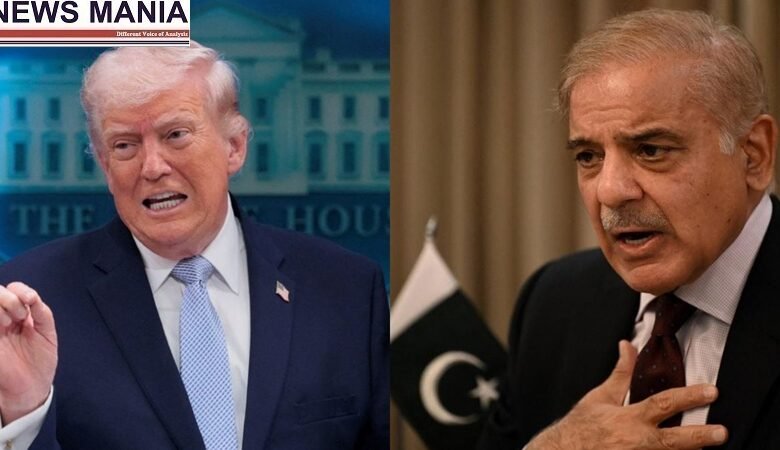
A recently announced ceasefire between the United States and Iran, facilitated by Pakistan, has drawn mixed reactions from key global players, underscoring both cautious optimism and persistent geopolitical tensions. The two-week truce comes after weeks of escalating conflict and is being viewed as a temporary pause aimed at opening a window for diplomatic engagement. Donald Trump described the ceasefire as a “workable” step toward dialogue, but stressed that its continuation would depend on Iran’s compliance with certain conditions. Among Washington’s priorities is the reopening of the strategically crucial Strait of Hormuz, a major artery for global oil trade, which has been affected by the hostilities.
Iranian authorities, meanwhile, have portrayed the ceasefire as a strategic and diplomatic achievement. Officials in Tehran stated that military operations would remain suspended as long as no further attacks are carried out against the country. At the same time, Iran has reiterated its readiness for negotiations, while firmly maintaining its stance on continuing uranium enrichment—a core issue that has long been a point of contention with the United States.
Israel has cautiously welcomed the development, aligning itself with the United States on key security concerns. Israeli leadership has reiterated the need to curb Iran’s nuclear ambitions and missile capabilities. However, it has also indicated that the ceasefire does not extend to all fronts, particularly ongoing military operations in neighbouring regions, suggesting that broader regional tensions remain unresolved.
Pakistan, which played a central mediating role in facilitating the agreement, has projected the ceasefire as a diplomatic success and a step toward de-escalation. Shehbaz Sharif announced the breakthrough and extended an invitation to both Washington and Tehran for further peace talks in Islamabad. The move highlights Pakistan’s efforts to position itself as a key intermediary in regional conflict resolution.
Despite the temporary halt in hostilities, significant differences persist between the United States and Iran. Tehran’s proposals reportedly diverge from Washington’s expectations, particularly on issues related to nuclear development and strategic defence capabilities. These unresolved disagreements raise questions about the long-term viability of the ceasefire. While the truce has been welcomed internationally as a positive step toward reducing immediate tensions, experts caution that it remains fragile. The coming weeks are expected to be critical, as diplomatic efforts intensify to determine whether the ceasefire can evolve into a more durable and comprehensive peace agreement.