17-Year-Old Sarthak Sidhant Draws National Attention Over CBSE Evaluation Concerns
News Mania Desk/ Piyal Chatterjee/ 21st June 2026

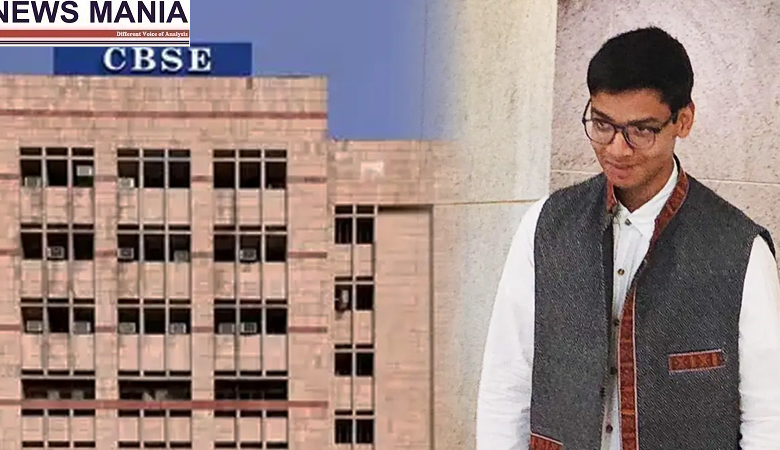
In a rare instance of a student directly engaging with lawmakers on a national education issue, 17-year-old Sarthak Sidhant appeared before the Parliamentary Standing Committee on Education to present concerns regarding the Central Board of Secondary Education’s (CBSE) On-Screen Marking (OSM) system.
The young student has emerged as an unexpected voice in the debate surrounding transparency and accountability in India’s school examination system. His appearance before the parliamentary panel followed months of research into documents related to CBSE’s digital answer-sheet evaluation process and the procurement procedures associated with the OSM platform.
Sarthak’s findings raised questions about the tendering process used for selecting the service provider responsible for the digital evaluation system. He alleged that certain aspects of the procurement process lacked transparency and warranted closer scrutiny. His concerns quickly gained traction among educators, policymakers, and political leaders, sparking a broader discussion on how technology is being integrated into large-scale examinations.
During the committee meeting, Sarthak reportedly outlined his observations and submitted supporting material to lawmakers. Members of the panel examined issues related to the accuracy of digital evaluation, the safeguards in place to ensure fairness, and the mechanisms used to oversee technology vendors involved in the assessment process.
The teenager’s intervention has been widely noted because it highlights how citizens, including students, can participate in discussions on public policy and governance. Education experts say the episode reflects growing awareness among young people about transparency in public institutions and the increasing role of technology in academic assessments.
Several leaders have called for a detailed review of the allegations and urged authorities to ensure that examination systems remain fair, reliable, and free from any procedural irregularities. The debate has extended beyond the specific concerns raised by Sarthak, prompting broader questions about procurement practices and oversight mechanisms within educational bodies.
While CBSE has maintained confidence in its evaluation procedures, the issue has intensified calls for greater transparency in the implementation of digital assessment technologies. Regardless of the outcome of the committee’s deliberations, his appearance before Parliament has underscored the growing influence that informed and engaged young citizens can have in shaping conversations on education reform in India