
Thousands of US Affordable Homes Remain Vacant as Low-Income Renters Struggle
News Mania Desk/ Piyal Chatterjee/ 10th September 2026

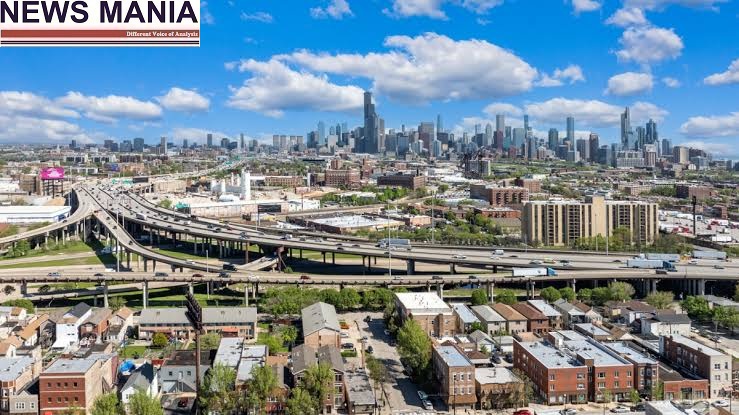
Thousands of housing units classified as affordable are lying vacant across US cities even as millions of low-income renters struggle to find homes they can actually afford. The mismatch has highlighted major shortcomings in the country’s affordable housing system, where properties labelled affordable are often beyond the reach of the poorest households.
The problem is particularly visible in cities such as Austin, where a substantial number of affordable housing units remain unoccupied. While the units are intended to help people facing high housing costs, rents in many cases are close enough to market rates that they fail to attract the households most in need.
Experts say one of the central problems is the definition of “affordable housing”. Many subsidised programmes are designed for households earning a certain percentage of the area’s median income, rather than those living on the lowest incomes. As a result, housing can technically qualify as affordable while remaining financially out of reach for extremely low-income renters.
The situation has also exposed a growing gap between the supply of affordable homes and the number of people needing them. Millions of extremely low-income renter households compete for a much smaller pool of homes that are affordable at their income levels.
Developers, meanwhile, argue that constructing and maintaining homes for the poorest renters is difficult without substantially greater government assistance. Building housing for households earning around 30% of an area’s median income often requires additional subsidies because rental income alone cannot cover development and operating costs.
Programmes such as the Low-Income Housing Tax Credit have played an important role in expanding the affordable housing supply, but critics say they do not adequately address the needs of the poorest renters. The shortage of housing vouchers has further limited access to homes for those with extremely low incomes.
The situation has created a paradox in several American cities: homes intended to ease the housing crisis are available, yet many of the people experiencing homelessness or severe housing insecurity cannot afford them.
Housing advocates argue that governments need to focus not only on increasing the number of units labelled affordable but also on ensuring that those homes are financially accessible to households at the bottom of the income scale. Without stronger subsidies, better-targeted assistance and policies addressing the deepest affordability gap, vacant affordable homes and homeless renters may continue to exist side by side.