Why Meat Remains Part of Some Shakta Traditions Amid Bengal’s Durga Puja Veg Debate
News Mania Desk/ Piyal Chatterjee/ 10th September 2026


A debate over vegetarianism during Durga Puja has brought renewed attention to the diverse food and worship practices followed within Shakta Hinduism, particularly in West Bengal. The controversy has also highlighted the long-standing presence of meat and animal offerings in some traditions associated with the worship of Goddess Durga and Kali.
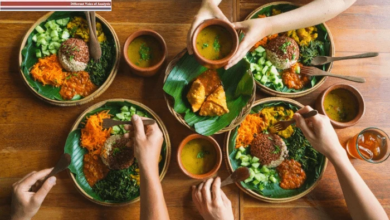
Shakta Hinduism, which centres on the worship of the divine feminine, does not follow a single dietary practice. While several devotees and temples observe vegetarian rituals and offer fruits, sweets and other plant-based food to the deity, certain traditions permit or prescribe meat, fish and other non-vegetarian offerings.
One of the practices associated with these traditions is bali, or ritual animal sacrifice. In parts of eastern India, including Bengal, Assam and Odisha, animal sacrifice has historically been performed at some Shakta temples. In such settings, the meat may subsequently be treated as an offering or bhog. However, these customs vary significantly between temples, families and communities.
The issue gained fresh political and cultural attention after religious preacher Dhirendra Krishna Shastri, popularly known as Bageshwar Baba, appealed to people to refrain from consuming non-vegetarian food during Durga Puja. He also called for meat and liquor shops to remain closed during the festival.
The remarks triggered a debate in West Bengal, where political leaders and cultural voices pointed to the state’s distinctive religious and culinary traditions. BJP state president Samik Bhattacharya defended the presence of non-vegetarian food within Bengali culture, while economist and writer Sanjeev Sanyal argued that meat has historically been associated with sections of Shakta worship.
Even within Bengal, some households and community pujas strictly follow vegetarian customs, while others incorporate fish, meat or ritual sacrifice. For many devotees, dietary practices are shaped by regional customs, family traditions and specific forms of worship, making the question of vegetarianism considerably more complex than a simple religious divide.