Fossil fuel disagreement pushes COP31 climate summit into overtime as countries clash over final deal
News Mania Desk/ Piyal Chatterjee/ 21st November 2026

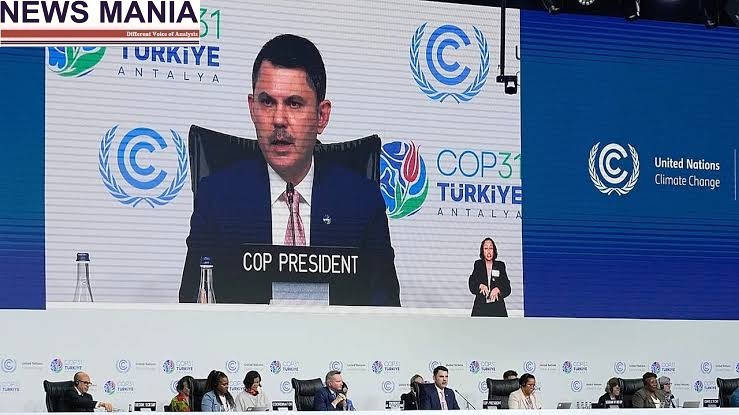
The COP31 climate summit in Antalya, Türkiye, has extended beyond its scheduled closing date as nearly 200 countries remain divided over fossil fuel commitments, climate finance and the wording of a final agreement. Negotiations continued into Saturday, with delegates struggling to bridge differences between countries seeking stronger climate action and those reluctant to accept stricter commitments.
A major point of disagreement has been the proposed language on transitioning away from fossil fuels. An earlier draft agreement included provisions calling for an accelerated phase-out of coal, oil and gas. However, the revised version removed explicit references to these fuels following objections from Saudi Arabia and other oil-producing nations.
The omission triggered criticism from several countries and environmental organisations, which argued that the revised document weakened the summit’s climate ambitions. The European Union expressed concern over the direction of the negotiations, warning that the conference risked becoming a “fossil summit” rather than delivering meaningful progress towards reducing global emissions.
Panama emerged among the countries demanding stronger commitments on fossil fuels. Its representatives, along with several other nations, insisted that the final agreement must retain a clear reference to moving away from coal, oil and gas. Panama warned that it would not support an outcome that failed to address the central role of fossil fuels in driving climate change.
Climate finance has also emerged as a significant obstacle to reaching consensus. The revised draft reportedly removed a proposed target of $120 billion intended to support vulnerable countries in adapting to the effects of climate change. Developing nations have repeatedly called for greater financial assistance from wealthier countries, arguing that they face disproportionate consequences despite contributing relatively less to historical greenhouse gas emissions.
Negotiators have also disagreed over electricity generation targets and the role of carbon capture technologies. While some countries favour expanding the use of such technologies to reduce emissions, others fear that they could provide an excuse for continued dependence on fossil fuels. The deadlock comes amid growing concerns that global efforts to limit temperature increases to 1.5 degrees Celsius above pre-industrial levels are falling short. Scientists have repeatedly warned that exceeding this threshold would significantly increase the risks of extreme weather events, rising sea levels and other climate-related disasters.
With vulnerable nations demanding stronger action and major fossil fuel producers resisting binding commitments, negotiators face mounting pressure to produce an agreement that addresses both emissions reduction and financial support.