US-Iran Tensions Escalate as Trump Warns of ‘20 Times Harder’ Strike Over Strait of Hormuz
News Mania Desk / Piyal Chatterjee/ 10th March 2026

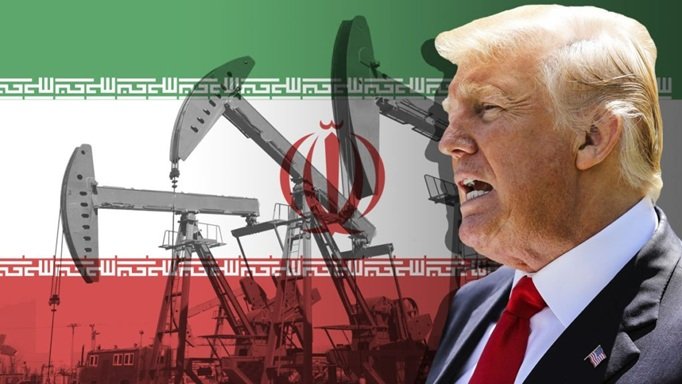
Tensions between the United States and Iran have intensified after former US President Donald Trump warned Tehran of severe retaliation if it attempts to disrupt oil shipments through the strategic Strait of Hormuz, one of the world’s most critical maritime trade routes.
In a strong message shared on his social media platform, Trump said that any move by Iran to block or interfere with shipping in the narrow waterway would provoke a massive military response from Washington. He cautioned that the United States would strike Iran “20 times harder” than any previous action if Tehran attempted to halt the flow of oil through the strait.
The warning comes at a time of heightened instability in the Middle East, where tensions between the US, Israel and Iran have been rising amid ongoing regional conflicts. Trump’s remarks were seen as a direct attempt to deter Iran from threatening maritime traffic in the strategic passage that links the Persian Gulf with the Gulf of Oman and the Arabian Sea.
The Strait of Hormuz plays a vital role in global energy trade. Nearly one-fifth of the world’s oil supply passes through the narrow channel every day, making it one of the most important oil transit chokepoints. Any disruption to shipping in the area could have severe consequences for global energy markets and economic stability.
Iran responded quickly to Trump’s remarks, signalling that it would not be intimidated by the threat. Senior Iranian official Ali Larijani said the strait could either become a corridor of peace and prosperity or a route of suffering and defeat for those who seek confrontation. His comments were widely interpreted as a warning to the United States and its allies against escalating tensions in the region.
Larijani emphasised that stability in the waterway depends on cooperation and respect for regional security rather than threats or military pressure. However, the exchange of sharp statements between the two sides has further heightened concerns about a possible escalation of conflict in the Gulf region.
Meanwhile, reports indicate that the security situation around the Strait of Hormuz has become increasingly volatile. Military activities in the area have intensified, and shipping companies are reportedly exercising greater caution while navigating the route due to fears of attacks or naval confrontations.
Analysts say that even the possibility of conflict in the strait can have significant global repercussions. Because the route handles a massive share of oil exports from major Gulf producers such as Saudi Arabia, Iraq and the United Arab Emirates, any disruption could trigger sharp increases in energy prices worldwide.
Energy markets have already shown signs of nervousness amid the escalating rhetoric. Oil prices have experienced upward pressure as traders weigh the risks of supply disruptions in the region. Experts warn that prolonged instability could push prices even higher, affecting economies that depend heavily on imported energy.
The latest exchange of warnings highlights the fragile security environment in the Middle East. While neither side has taken steps toward a direct large-scale confrontation, the increasingly aggressive tone from both Washington and Tehran underscores the potential for miscalculation. Observers note that the Strait of Hormuz has long been a flashpoint in US-Iran relations. Over the years, both sides have repeatedly traded threats over the strategic waterway, recognising its importance to global commerce and energy security.