Ukraine has accused Russia of continuing military attacks and frontline assaults despite an ongoing temporary ceasefire announced as part of renewed international diplomatic efforts to reduce violence in the war between the two countries. According to Ukrainian officials, Russian drone strikes, artillery shelling, and ground attacks were reported in several regions during the ceasefire period, raising doubts about the effectiveness of the truce. The temporary pause in fighting, scheduled from May 9 to May 11, had been promoted as an opportunity to lower tensions and create space for future peace negotiations.
Ukrainian President Volodymyr Zelenskyy said that although large-scale missile attacks had decreased compared to previous weeks, Russian forces were still carrying out combat operations along multiple sections of the frontline. Ukrainian military authorities reported nearly 180 battlefield clashes within a 24-hour period, suggesting that fighting remained intense despite the ceasefire arrangement.
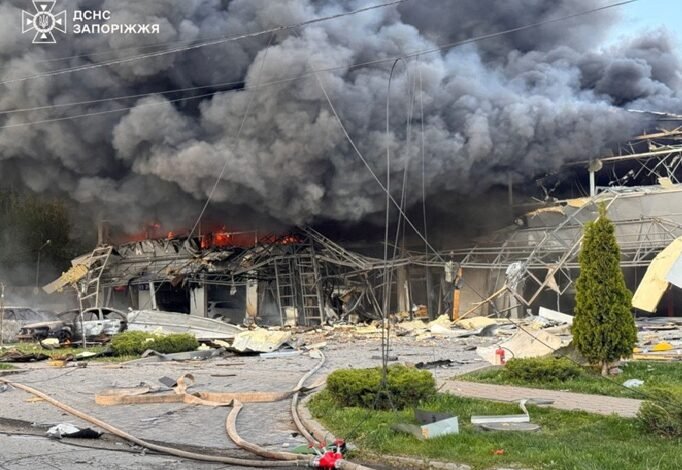
Officials in several Ukrainian regions claimed that civilian infrastructure and residential areas came under attack during the truce. Authorities reported casualties and property damage in areas including Zaporizhzhia, Kherson, Kharkiv, Donetsk, and Mykolaiv. Local administrators stated that Russian drones and artillery fire targeted populated settlements as well as military positions.
Ukraine’s military also alleged that Russian forces launched large numbers of so-called “kamikaze” drones during the ceasefire period. According to officials, the attacks were aimed at weakening Ukrainian defensive positions and disrupting military logistics near frontline zones. Emergency services continued rescue and repair operations in affected areas while air raid alerts remained active across several regions.
Russia, however, rejected the accusations and claimed that Ukraine had repeatedly violated the ceasefire first. Russia’s Defence Ministry stated that Ukrainian forces launched drone attacks and artillery strikes against Russian-controlled territories and military positions during the agreed pause in hostilities. Moscow said its air defence systems intercepted numerous Ukrainian drones and that Russian troops responded to what it described as Ukrainian provocations.
The conflicting claims from both sides highlighted the fragile nature of the ceasefire and underscored the deep mistrust that continues to hinder diplomatic progress. Analysts noted that temporary truces announced during the conflict have often collapsed quickly due to ongoing military operations and mutual allegations of violations.
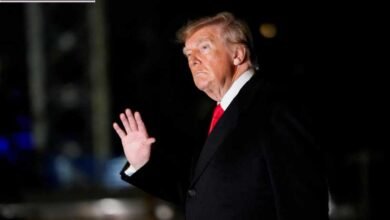
The latest ceasefire initiative emerged amid increasing international pressure to reduce violence and restart diplomatic engagement. U.S. President Donald Trump has been encouraging efforts aimed at opening negotiations between Moscow and Kyiv since returning to office earlier this year. International mediators have also been attempting to facilitate discussions on humanitarian issues, prisoner exchanges, and broader security concerns.
Despite the temporary reduction in some forms of aerial bombardment, military experts believe neither side currently appears willing to significantly scale back operations on the battlefield. Frontline fighting remains concentrated in eastern and southern Ukraine, where Russian and Ukrainian forces continue to compete for territorial control.
Diplomatic negotiations aimed at achieving a longer-term settlement remain stalled over several contentious issues, including occupied territories, security guarantees, and future relations between Ukraine and Western military alliances. Observers say the continuation of attacks during the ceasefire demonstrates the challenges facing any future peace process.
While international leaders continue to call for restraint and dialogue, the latest developments indicate that the conflict remains highly volatile, with little sign of an immediate breakthrough toward a lasting ceasefire or political resolution.