Canadian Man Pleads Guilty in Global ‘Suicide Kit’ Distribution Case
News Mania Desk/ Piyal Chatterjee/30th May 2026

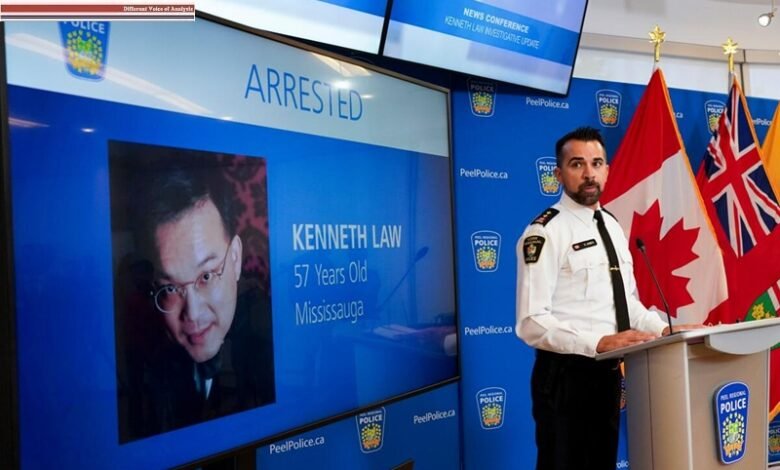
A Canadian man accused of operating an international network that supplied so-called “suicide kits” disguised as ordinary consumer products has pleaded guilty to multiple charges of assisting suicide, bringing a major development in a case that has drawn global attention.
Kenneth Law, a 60-year-old resident of Ontario, admitted guilt to 14 counts of counselling or aiding suicide during court proceedings in Canada. The plea deal led prosecutors to withdraw several first-degree murder charges that had previously been filed against him. Sentencing is expected at a later date.
According to investigators, Law ran a network of websites that sold and shipped toxic substances to customers in dozens of countries. Authorities allege that the products were marketed under the guise of legitimate items, including food-related products such as hot sauce, in an effort to avoid detection. The packages reportedly contained lethal substances and accompanying instructions.
Law enforcement agencies said more than 1,200 shipments were sent to recipients across over 40 countries before the operation was dismantled. The case prompted international investigations after authorities discovered links between the products and numerous deaths in several nations.
Court records indicate that Law admitted responsibility in connection with 14 deaths in Ontario involving individuals aged between 16 and 36. Investigators in other countries have also examined possible connections between his shipments and additional fatalities. In the United Kingdom, authorities have reportedly linked the network to a significant number of deaths and hundreds of recipients.
The case has raised serious concerns about the role of online platforms in facilitating access to dangerous substances. Prosecutors argued that the websites specifically targeted vulnerable individuals seeking information related to self-harm, allowing the operation to reach customers worldwide.
Families of victims and mental health advocates have called for stricter oversight of websites that promote or enable self-harm. The case has also intensified discussions about the responsibilities of technology companies and regulators in preventing harmful online activities.
Legal experts say the prosecution relied on assisting-suicide charges because proving murder in cases involving the sale of lethal substances can be legally complex. The case remains one of the largest international investigations involving online distribution networks linked to self-harm and suicide, highlighting the challenges authorities face in regulating such activities across borders.