From Royal Courts to Colonial Criticism: The Changing Story of Paan in India
News Mania Desk/ Piyal Chatterjee/ 9th June 2026

For centuries, paan occupied a prominent place in Indian society, symbolising prestige, hospitality, and cultural refinement. However, historical records show that its status underwent a dramatic transformation during the colonial era, when British administrators increasingly portrayed the practice as unsanitary and uncivilised.
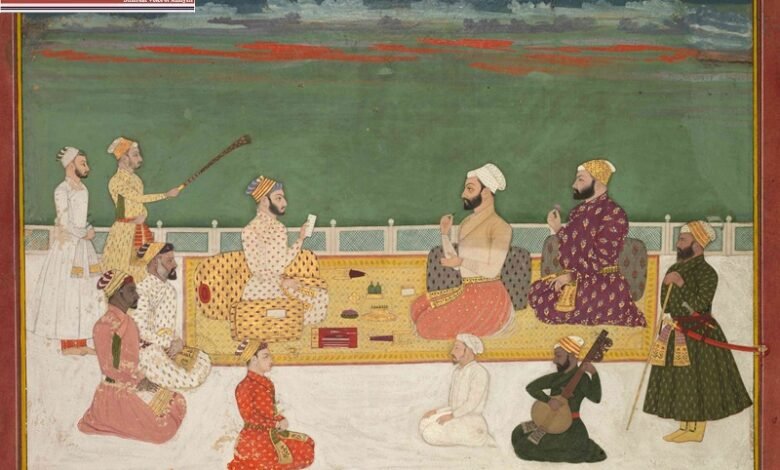
According to historians, paan was once deeply woven into the social and political fabric of the Indian subcontinent. In royal courts across the Mughal Empire and regional kingdoms, offering paan was considered a gesture of respect and honour. Elaborately decorated betel boxes, spittoons, and paan accessories often featured in courtly settings, reflecting the significance of the tradition among rulers and nobles.
Historical paintings and travel accounts reveal that paan consumption was associated with leisure, diplomacy, and social interaction. Guests were frequently welcomed with paan, while the custom also played a role in ceremonies, celebrations, and even expressions of affection. European travellers visiting India in the 17th and 18th centuries documented the practice with fascination, noting its widespread popularity across different sections of society.
The perception of paan began to shift during British rule. As colonial authorities imposed Victorian ideas of hygiene and public behaviour, visible aspects of paan consumption—particularly the habit of spitting—came under criticism. British officials increasingly described the practice as unhygienic and used it as an example of what they viewed as undesirable native customs.
This change in attitude gradually altered the public image of paan. What had once been regarded as a sophisticated symbol of courtly culture was increasingly portrayed as a habit linked to backwardness and poor sanitation. Today, paan continues to be consumed across the country, serving as a reminder of a tradition that has survived centuries of cultural and political change.