
How Epigraphist S. Rajavelu Used Ancient Inscriptions to Rediscover Tamil Nadu’s Lost Temples
News Mania Desk/ Piyal Chatterjee/ 11th June 2026

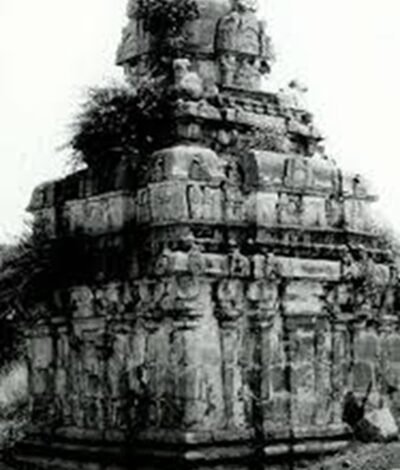
For veteran archaeologist and epigraphist S. Rajavelu, inscriptions carved into stone centuries ago have served as invaluable guides to uncovering Tamil Nadu’s forgotten temples and reconstructing the region’s rich historical narrative. Through decades of fieldwork and research, Rajavelu has demonstrated how these ancient records continue to offer insights into the social, cultural and religious life of the past.
Over the course of his career, Rajavelu has copied and documented more than 1,565 inscriptions found across the State. These inscriptions, often etched on temple walls, pillars and rock surfaces, contain detailed information about rulers, land grants, religious practices, donations and local administration. By carefully studying references to specific locations, deities and historical events, he has been able to trace the existence of temples that had disappeared from public memory over time.
One of his most notable achievements involved the rediscovery of an ancient Murugan temple at Saluvankuppam near Mamallapuram. Clues embedded in inscriptions prompted archaeologists to investigate the site, eventually leading to the discovery of a brick shrine believed to date back to the Sangam period. The finding provided fresh evidence of the antiquity of Murugan worship in Tamil Nadu and enriched understanding of the region’s architectural heritage.
Rajavelu has consistently advocated for the preservation of inscriptions and estampages, warning that exposure to natural elements and human neglect threatens these irreplaceable historical resources. He believes that safeguarding such records is essential for future generations seeking to understand the complexities of India’s past.
According to the epigraphist, inscriptions are more than ceremonial engravings; they are historical documents that capture the everyday realities of earlier societies. They reveal patterns of trade, governance, patronage and faith, helping historians piece together a more comprehensive picture of Tamil Nadu’s evolution through the centuries.