Modi, Trump, and India’s Strategic Balancing in Global Diplomacy
Ms.Bornali Biswas-Editor in Chief

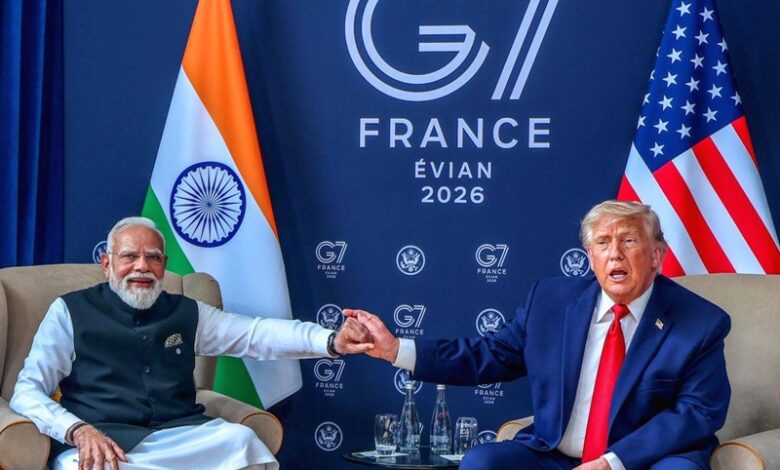
The evolving relationship between Prime Minister Narendra Modi and former U.S. President Donald Trump has been a defining feature of India–U.S. diplomacy in the past decade. While ideologically different in style and political culture, both leaders have shared a pragmatic approach rooted in strategic interests rather than rigid diplomacy. This dynamic has allowed India to navigate complex global shifts while advancing its long-term national growth agenda.
At its core, the Modi–Trump equation was built on mutual respect and geopolitical convenience. From large-scale diaspora events like “Howdy Modi” and “Namaste Trump” to defense cooperation and counterterrorism alignment, both leaders used personal chemistry to strengthen institutional ties. Even amid occasional differences on trade tariffs and market access, the broader relationship remained stable, reflecting India’s rising importance in global strategic calculations.
For India, this relationship was never just about Washington personalities—it was about positioning itself as a central player in a multipolar world. Prime Minister Modi’s foreign policy approach has consistently focused on “multi-alignment,” engaging with the United States, Russia, Europe, the Middle East, and Asia simultaneously, ensuring that India is not locked into any single bloc. This flexibility has been crucial in safeguarding India’s economic and strategic autonomy.
Under Modi’s leadership, foreign relations have increasingly been tied to domestic growth. Defense procurement agreements, technology partnerships, energy security, and investment inflows have all been leveraged through diplomatic engagement. The strengthening of India–U.S. ties, including during the Trump era, helped accelerate collaboration in areas such as defense manufacturing, digital economy, and counterterrorism intelligence sharing.
At the same time, India has maintained independent positions on sensitive global issues, including regional conflicts and sanctions regimes. This balanced stance reinforces India’s image as a responsible global power that prioritizes dialogue and stability over alignment-driven confrontation.
Ultimately, the Modi approach to foreign relations—whether with Trump or other global leaders—reflects a broader strategy: diplomacy as a tool for development. By engaging major powers without overdependence on any single relationship, India has sought to create an environment conducive to economic growth, technological advancement, and strategic security.
In an era of shifting global power centers, this calibrated diplomacy ensures that India is not merely reacting to global events but actively shaping them in its favor.