Amid opposition protests, four proposals were introduced in the Lok Sabha
News Mania Desk/ Piyal Chatterjee/ 10th August 2026

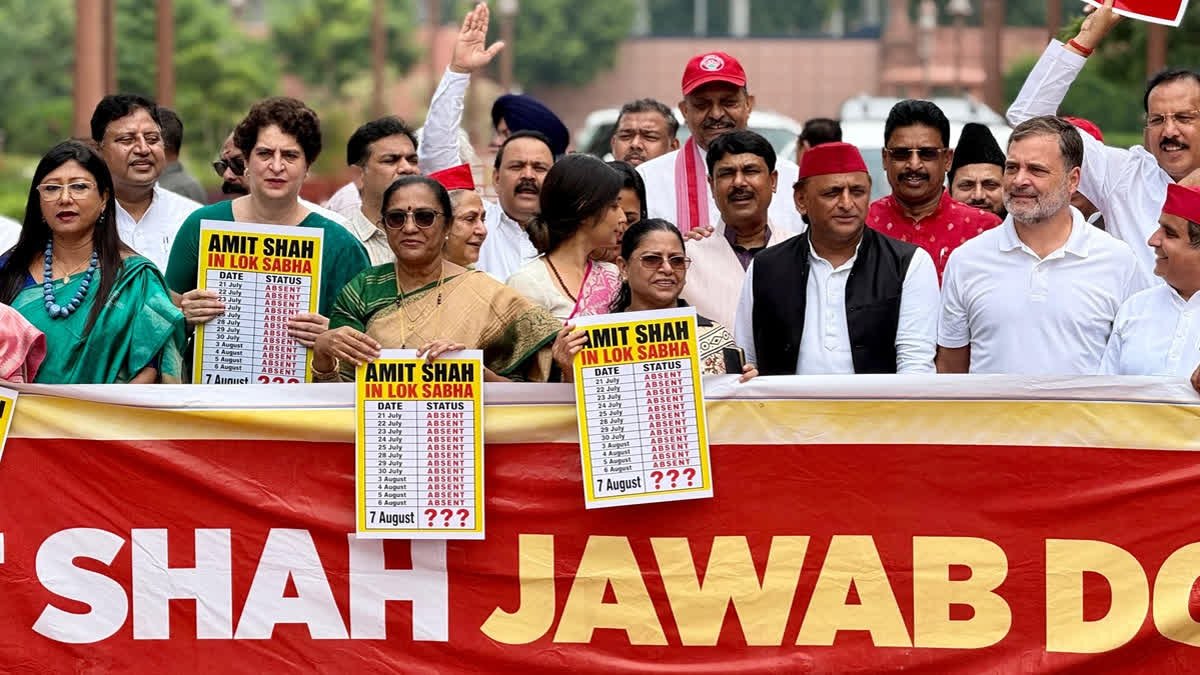
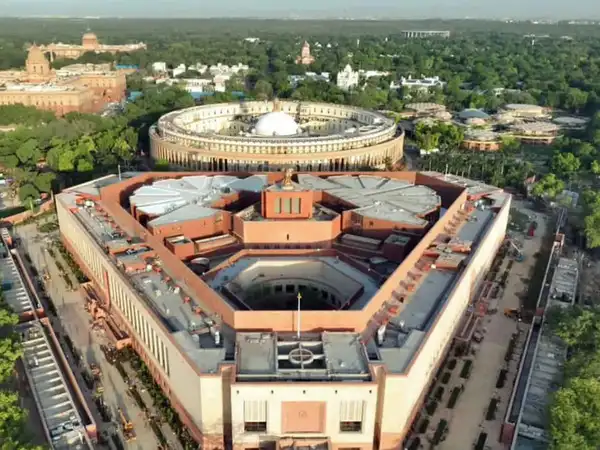
Amidst protests by opposition members against the police crackdown on protesting students on July 20 and demands for Union Home Minister Amit Shah to be present in the House, four legislation were tabled in the Lok Sabha on Monday. The House was postponed till 2:00 pm due to the ongoing loud demonstrations. Law Minister Arjun Ram Meghwal proposed the Tribunals Reforms Bill following the presentation of parliamentary papers by members and ministers.
Following him, the Mines and Minerals (Development and Regulation) Amendment Bill was filed by Union minister G Kishan Reddy. N K Premachandran of the Revolutionary Socialist Party opposed the bill, arguing that it went against the federal framework.
Minister of State for Home Nityanand Rai introduced the Kerala (Alteration of Name) Bill, while Minister of State for Cooperation Murlidhar Mohol introduced the National Co-operative Development Corporation (Amendment) Bill. Due to the opposition’s objection, the House was adjourned in a matter of seconds during its morning session.
The House was adjourned till 12 p.m. by its chair, Premachandran. On Monday morning, the House was not chaired by Speaker Om Birla, who typically oversees Question Hour. According to sources, Birla is holding back-channel talks with different parties to make sure the House runs well for the rest of the Monsoon session, which ends on August 13.
Six of the eight bills passed by the House without a debate have been the result of frequent disruptions to the Lok Sabha’s operations thus far in the session. The House was unable to finish Question Hour, which runs from 11 a.m. to 12 p.m., on Monday, the sixteenth day.
Among the bills presented in the Lok Sabha, the Mines and Minerals (Development and Regulation) Amendment Bill, 2026 seeks to limit states from imposing additional taxes on mineral rights. The Bill intends to centralize the regulation of mineral-bearing lands and reinforces the Union’s control over mines and minerals.
It states that no new tax or levy may be imposed by the state government on mineral rights, with conditions outlined by the central government. Additionally, it establishes that any taxes not deposited with the state before the Bill’s commencement will be invalid, although already collected taxes will not be refunded.
Another bill, the Tribunals Reforms Bill, 2026, was introduced to establish a commission for selecting chairpersons and members for tribunals, following a Supreme Court directive. The Bill aims to enhance efficiency, independence, transparency, and uniformity in appointments. A National Tribunals Commission will be formed, headed by a retired Supreme Court judge or chief justice, to oversee these selections.
The draft law addresses qualifications and conditions of service, and will repeal the Tribunals Reforms Act, 2021, which was struck down for violating judicial independence principles. Additionally, the Kerala (Alteration of Name) Bill, 2026 seeks to rename the state from ‘Kerala’ to ‘Keralam’, following a unanimous resolution by the state assembly and necessary constitutional amendments.