
Supreme Court Raises Alarm Over Digital Arrest Scams, Suggests Strict Safeguards
News Mania Desk/ Piyal Chatterjee/ 29th October 2026

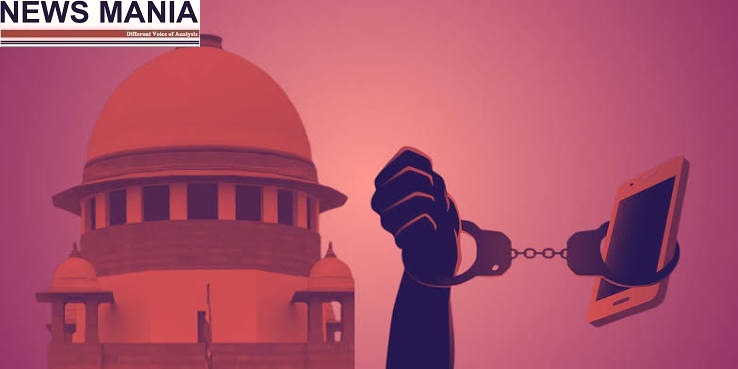
The Supreme Court of India has expressed concern over the growing problem of digital arrest scams, in which cybercriminals impersonate law enforcement officials and intimidate victims into transferring money. Chief Justice of India Surya Kant questioned the effectiveness of existing safeguards and stressed the need for stronger measures to protect people from such fraud.
During the proceedings, the Chief Justice made a pointed remark about the use of mobile phones in these scams, suggesting that people could throw their devices against a wall rather than allow criminals to manipulate them. The observation reflected the court’s concern over how fraudsters exploit digital communication platforms to create fear and pressure victims into complying with their demands.
In a typical digital arrest fraud, scammers pose as police officers, officials from investigative agencies or other government authorities. They contact individuals through phone calls or video calls, accuse them of involvement in criminal activities and threaten immediate arrest. Victims are often instructed to remain on video calls and transfer money under the pretext of verification, security deposits or avoiding legal action.
Despite having no legal authority to detain people remotely in this manner, the fraudsters use official-sounding language, fabricated documents and threats to convince victims that they are facing genuine criminal proceedings. The resulting fear and isolation can lead people to transfer substantial amounts of money before realising they have been deceived.
The court also highlighted the role of banks and financial institutions in preventing such crimes. Banks can play a crucial role by identifying suspicious transactions, strengthening verification procedures and responding quickly when customers report suspected fraud. The proceedings included discussions on safeguards and the possibility of compensation for victims who lose money to such schemes.
The issue has become increasingly significant as cybercriminals exploit the growing use of smartphones, online banking and digital payment systems. Elderly people and individuals unfamiliar with evolving cybercrime tactics can be particularly vulnerable to threats made by callers impersonating government officials.
Public awareness campaigns and prompt reporting of suspicious calls are also essential to limiting financial losses. Authorities have repeatedly advised people not to share banking credentials, transfer money under pressure or trust claims of arrest made over phone or video calls. Genuine law enforcement procedures cannot be replaced by demands for immediate online payments, and suspicious communications should be reported to the appropriate authorities.