
New Genetic Tools Help Scientists Trace How Embryos Develop Into Complex Organisms
News Mania Desk/ Piyal Chatterjee/ 29th October 2026

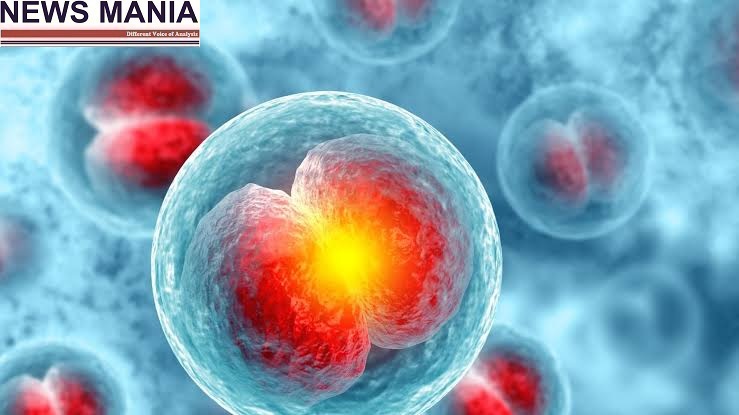
Scientists have developed new genetic tools that could transform understanding of how a single fertilised egg develops into an organism containing millions of specialised cells, tissues and organs. Two recent studies have used advanced DNA-editing techniques to reconstruct cellular family trees and examine the processes that shape embryonic development.
The research uses genetic lineage tracing, a method that allows scientists to follow cells and their descendants as an embryo grows. By introducing identifiable DNA markers into developing cells, researchers can determine how different cell populations contribute to the formation of organs and other structures.
One research team at the University of Washington used a technique called DNA Typewriter to trace nearly 1.3 million cells in a mouse embryo at 13.5 days of development. The method records genetic changes that are inherited by subsequent generations of cells, allowing scientists to reconstruct their developmental histories.
A separate team at the Whitehead Institute for Biomedical Research employed a tool called PEtracer to study 16 mouse embryos. The researchers identified recurring patterns in how cells developed and contributed to different parts of the body.
Both approaches rely on advances in prime editing, a form of genetic engineering that enables researchers to make targeted changes to DNA. These changes create markers that can be analysed later to establish relationships between cells.
Understanding how cells develop and specialise is a central challenge in biology. Although scientists have identified many genes involved in development, determining how individual cells contribute to complex organs remains difficult. The new techniques could help researchers examine these processes in greater detail.
The findings may eventually improve understanding of birth defects, developmental disorders and diseases such as cancer, in which normal cellular behaviour can become disrupted. They could also help scientists investigate why certain cells develop differently from others despite sharing the same genetic information.