
Manipal Hospital EM Bypass Champions Epilepsy Awareness Through ‘Turning Stories into Action’
BUDDHADEB MISRA/ 20th November 2026

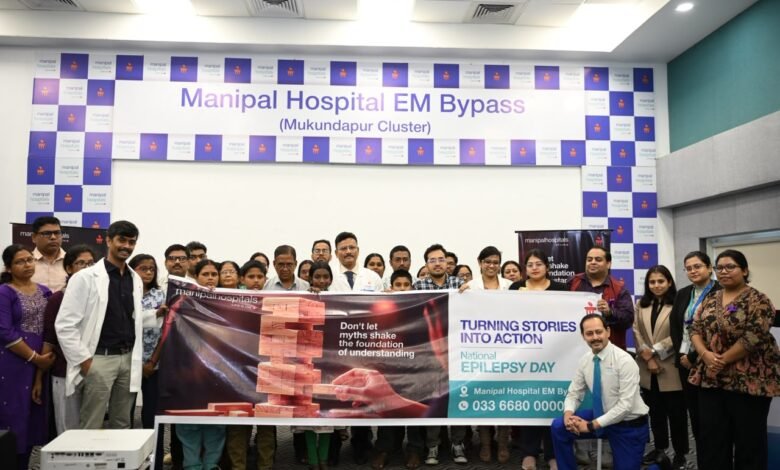
Kolkata, 19 November 2026: Epilepsy is one of the most common neurological conditions, yet it continues to be surrounded by misconceptions, fear and social stigma. While seizures are often associated with sudden falls and uncontrolled body movements, epilepsy can manifest in several ways, including brief episodes of staring, temporary confusion, unusual sensations and involuntary movements. Highlighting the need to bridge this awareness gap, Manipal Hospital EM Bypass observed National Epilepsy Day with an awareness initiative titled ‘Turning Stories into Action’, bringing together medical specialists and community voices to encourage informed conversations and foster a more supportive environment for individuals living with epilepsy.
The programme focused on addressing common myths, highlighting the different manifestations of epilepsy, sharing real-life experiences and encouraging communities to respond with understanding rather than fear. Through expert insights and personal stories, the initiative reinforced that epilepsy is a manageable neurological condition for many individuals and that timely diagnosis, appropriate treatment and continued support can help patients lead active and independent lives.
A child’s journey from a seizure episode to an active childhood
The importance of timely medical intervention and continued care is reflected in the journey of five-year-old Rohit Pal (name changed) from Murshidabad, who had been a seemingly healthy child with no apparent symptoms initially. However, he began experiencing repeated episodes of vomiting and dizziness, which eventually culminated in a seizure. Following the episode, his condition deteriorated, leaving him extremely weak and unable to move. Concerned by the sudden deterioration in his health, his parents sought medical attention.
With timely medical intervention and treatment, Rohit gradually recovered and has since returned to his normal routine. Sharing the family’s experience, his father, Gourav Pal (name changed), said, “Rohit was a seemingly healthy child with no apparent symptoms initially. However, he began experiencing repeated episodes of vomiting and dizziness, which eventually culminated in a seizure. Following this episode, his condition deteriorated, and he became extremely weak and unable to move. It was then that we realised the seriousness of the situation and immediately sought medical help. With timely treatment and care, he has recovered remarkably well. Today, my son is back to his normal, active self, attending school, participating in extracurricular activities and enjoying sports. Seeing him return to the life he once led is a tremendous relief and happiness for our family.”
Beyond medical intervention, epilepsy management requires a comprehensive approach involving regular follow-ups, adherence to prescribed medication, adequate sleep and stress management. Maintaining a seizure diary can help patients and doctors identify possible triggers and monitor treatment progress. Psychological counselling and appropriate lifestyle modifications can further support emotional well-being and improve quality of life. For individuals whose seizures remain uncontrolled despite appropriate medication, specialised evaluation may help determine whether additional treatment options, including epilepsy surgery, are suitable.
The initiative also underscored the importance of building awareness among families, educational institutions and workplaces. A child experiencing brief episodes of staring, for instance, should not automatically be labelled inattentive, while adults living with epilepsy should not face unnecessary restrictions based on their diagnosis. Understanding the condition and knowing how to respond during a seizure can go a long way in reducing stigma and enabling individuals to participate more confidently in everyday life.
Dr Amlan Mandal, Senior Consultant and Head of Department – Neurology, Manipal Hospital EM Bypass, said, “Epilepsy is often misunderstood because people tend to associate it only with seizures involving sudden falls and uncontrollable body movements. However, the condition can manifest in several ways, including brief episodes of staring, temporary confusion, unusual sensations and changes in awareness. Recognising these less obvious symptoms is equally important, as early identification and appropriate medical evaluation can make a significant difference to treatment outcomes. We must encourage people to seek medical advice rather than dismissing such episodes as inattentiveness or behavioural changes. It is our responsibility as a community to be part of spreading awareness on a larger level.”