
Cyclone Akvan makes landfall near Gopalpur, Odisha escapes major damage
News Mania Desk/ Piyal Chatterjee/ 20th November 2026

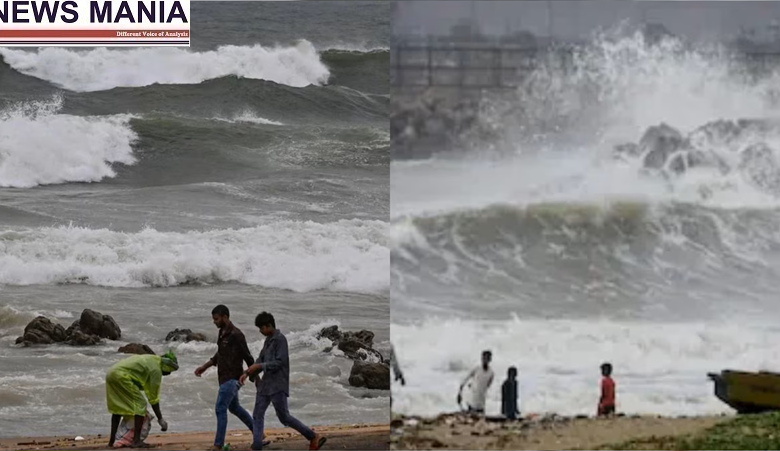
Cyclone Akvan crossed the north Andhra Pradesh and south Odisha coasts near Gopalpur on Friday morning, bringing heavy rainfall and strong winds to parts of the eastern coastline. The storm weakened from a severe cyclonic storm to a cyclonic storm before making landfall, with no major damage or loss of life reported in Odisha so far.
According to the India Meteorological Department (IMD), Akvan crossed the coast between 7.30 am and 8.30 am on November 20, with sustained wind speeds of 70-80 kmph and gusts reaching 90 kmph. The landfall process began around 8 am and was completed by approximately 11.20 am, as the system moved inland across the coastal region.
The cyclone subsequently weakened into a deep depression over south coastal Odisha. The IMD forecast that it would continue moving north-northeastwards across the state, weakening further into a depression and eventually into a well-marked low-pressure area.
The storm triggered heavy rainfall across several regions. Odisha recorded extremely heavy rainfall in parts of the state, while coastal Andhra Pradesh experienced very heavy precipitation. The IMD also warned of continued rainfall as the weather system moved inland, potentially affecting neighbouring regions.
Authorities had undertaken extensive precautionary measures ahead of the cyclone’s arrival. More than three lakh people were reportedly evacuated from vulnerable areas in Odisha and shifted to safer locations. Disaster response teams were deployed, while schools and Anganwadi centres in several districts were closed to minimise risks to residents.
Odisha’s Disaster Management Minister Suresh Pujari said no major damage or casualties had been reported in the state following the cyclone’s landfall. Officials continued monitoring the situation as rainfall, strong winds and rough sea conditions persisted in affected areas. Akvan’s weakening after landfall eased concerns about widespread destruction along the coast, although authorities remained vigilant about possible flooding, waterlogging and weather-related disruptions as the system moved further inland.