El Niño Expected to Intensify Before Peaking in December, UN Weather Agency Warns
News Mania Desk/ Piyal Chatterjee/ 8th October 2026

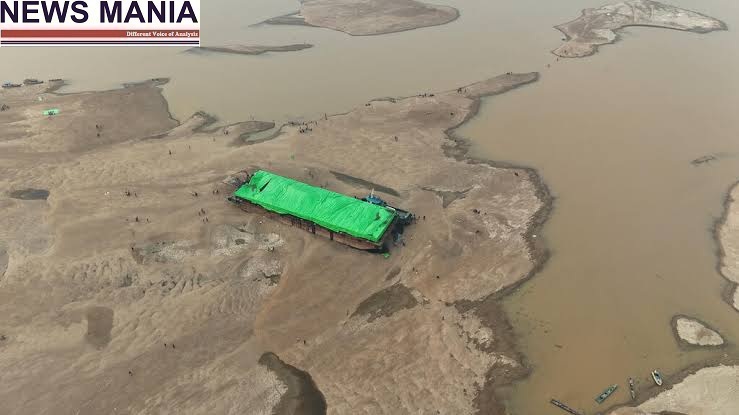
The El Niño weather phenomenon is expected to strengthen further before reaching its peak in December, the World Meteorological Organization (WMO) has warned, raising concerns over its potential impact on global temperatures, rainfall patterns and extreme weather events.
According to the UN weather agency, the current El Niño episode is likely to persist through the coming months, with forecasts indicating a very high probability that the phenomenon will continue into early 2027. Scientists are closely monitoring conditions in the tropical Pacific, where unusually warm ocean temperatures are driving the latest episode.
Sea-surface temperatures in the central and eastern tropical Pacific are forecast to remain significantly above normal during the October-December period. Some projections suggest temperatures could rise to around 3.7 degrees Celsius above the average, placing the event among the strongest El Niño episodes observed since records began in the mid-20th century.
El Niño occurs when ocean temperatures in the central and eastern tropical Pacific become warmer than normal. The resulting changes in atmospheric circulation can influence weather conditions far beyond the Pacific, affecting rainfall, temperatures and storm patterns across different parts of the world. The WMO warned that the strengthening phenomenon could contribute to higher temperatures in several regions. The combination of El Niño and human-induced warming could therefore increase the likelihood of unusually hot conditions in different parts of the world.
Changes in rainfall patterns are another major concern. El Niño can increase the risk of drought in some regions while producing unusually heavy rainfall and flooding in others. The effects vary depending on location and the strength of the event, making early forecasts important for governments and communities preparing for possible disruptions. Agriculture, water resources, public health and disaster management could all be affected by the changing weather patterns. Countries vulnerable to drought or flooding may need to strengthen preparedness measures as the phenomenon develops.
The WMO has stressed that El Niño is a naturally occurring climate pattern, but its effects are taking place against a background of long-term global warming. This can amplify the consequences of extreme heat and other weather-related hazards. Forecasters will continue monitoring Pacific Ocean temperatures and atmospheric conditions in the coming months. While the phenomenon is expected to peak in December, its effects could continue into early 2027.