
Google Updates Its ‘G’ Logo Icon With New Gradient Design Replacing Solid Colour Sections
News Mania Desk / Piyal Chatterjee / 13th May 2025

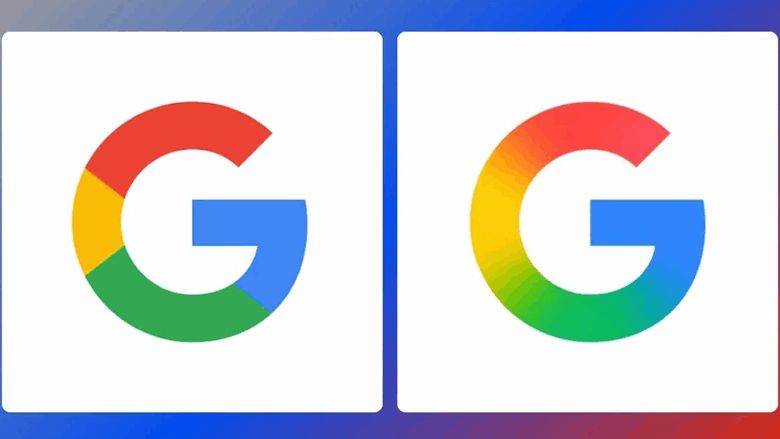
Google has quietly revamped its iconic ‘G’ logo with a fresh design, almost a decade after it was updated with the contemporary Product Sans typeface. The previously discernible icon consisted of segments showcasing solid hues that matched the colour palette of the tech giant located in Mountain View, with each section clearly outlined. After the update, the Google ‘G’ logo features a design with colors merging into one another, creating a gradient look.
The refreshed ‘G’ icon is now seen on the Google Search app for iOS. Nonetheless, its Android version continues to display the previous release on the Google Play Store. Although it continues to feature the recognizable blue, green, red, and yellow color palette associated with the tech giant, the colors now merge into one another rather than existing in separate sections.
After the update, the red transitions into yellow, yellow shifts to green, and ultimately, green fades into blue, finishing the gradient effect. This adjustment is believed to align the icon with some of its more recent products, like Gemini, which already features a blue, purple, and pink color gradient in its logo and various aspects of the user interface. In the meantime, Google Search’s experimental AI Mode features a gradient design that incorporates Google’s colors.
Nonetheless, there seems to be no alteration to the six-letter ‘GOOGLE’ logo, which retains its recognizable design with each letter represented by one of the four colors from the company’s palette.
The revised icon is reported to be the most significant change in a decade. In September 2015, Google unveiled a new mobile-optimized ‘G’ logo featuring a contemporary typeface known as Product Sans. Before this, the company used a lowercase ‘g’ logo that was displayed in a single hue of blue. It additionally revised its six-letter logo, adopting a sans-serif font akin to the one used by Google’s recently established parent company, Alphabet.