Israel-Iran Air War Escalates Into Second Week as Europe Ramps Up Diplomatic Push
News Mania Desk / Piyal Chatterjee / 20th June 2025

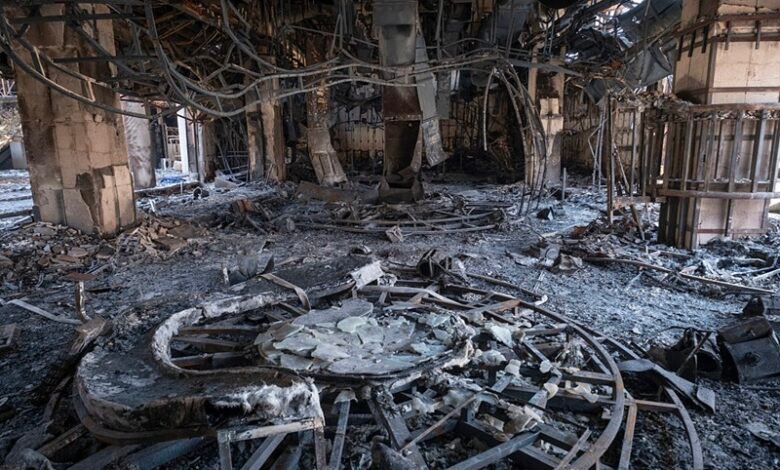
The military conflict between Israel and Iran has intensified, entering its second week with no signs of abating. A sustained campaign of aerial strikes from both sides has resulted in heavy casualties and growing international concern, even as European powers initiate diplomatic efforts to prevent further escalation.
Since launching a major offensive on June 12, Israeli forces have targeted critical Iranian infrastructure, including nuclear sites in Natanz and Isfahan, military bases, radar systems, and the Arak heavy water reactor. Iranian state media reports that at least 639 people have been killed so far, including members of Iran’s elite military units and nuclear scientists. The strikes, described by Israeli officials as part of an effort to cripple Iran’s military and nuclear ambitions, have also disrupted key defense capabilities.
In retaliation, Iran has launched coordinated missile and drone attacks on Israeli cities, with some reports indicating the use of cluster munitions. One of the most severe strikes hit a hospital in the southern Israeli city of Beersheba, resulting in multiple civilian casualties. Iran maintains that its nuclear program is peaceful and accuses Israel of trying to provoke a broader conflict.
Amid the escalating hostilities, Europe has stepped in to mediate. Diplomats from France, Germany, the UK, and the European Union are currently in Geneva, where they are holding high-level talks with Iran’s Foreign Minister Abbas Araghchi. European leaders are urging Tehran to return to the negotiating table over its nuclear program. However, Iran has made it clear that no meaningful dialogue can occur while Israeli airstrikes continue.
Meanwhile, in the United States, former President Donald Trump has indicated that a decision on U.S. involvement in the conflict is expected within two weeks. While Washington has not taken an active military role yet, Israeli officials are reportedly lobbying for American support.
Regional actors, including Hezbollah and other Iranian-backed militias, have so far refrained from directly engaging, though the threat of their involvement remains high. Calls for restraint have been issued by global powers such as China, Russia, and the United Nations.
As foreign nationals begin evacuating from Iran and the humanitarian toll rises, the international community faces a narrowing window to de-escalate the situation before it potentially spirals into a broader Middle East war.