China’s Rare Earth Export Curbs Threaten Indian Tech and EV Sectors, Thousands of Jobs at Risk
News Mania Desk / Piyal Chatterjee / 23rd June 2025

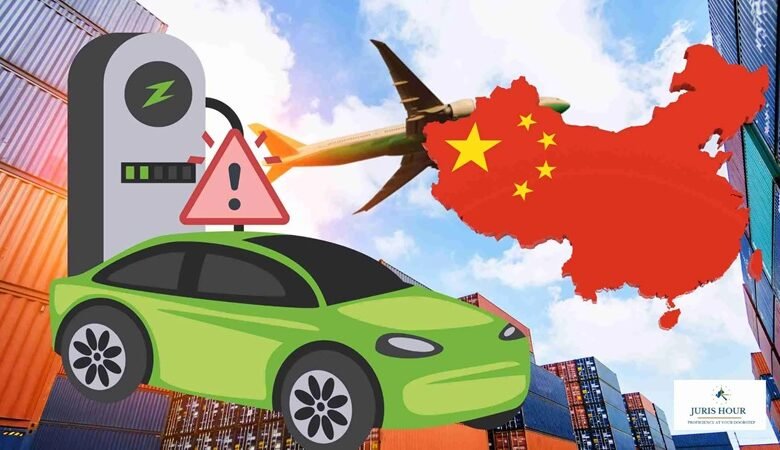
China’s recent export restrictions on critical rare earth elements are creating significant disruptions for India’s electronics and electric vehicle (EV) industries, with thousands of jobs now hanging in the balance. According to the Electronics Industries Association of India (Elcina), the move has put at risk over 5,000 direct jobs and up to 15,000 indirect jobs, particularly in the manufacturing of audio components such as speakers and microphones.
The restricted materials—terbium, dysprosium, samarium, yttrium, gadolinium, scandium, and lutetium—are essential for producing magnets used in a range of components, including haptic motors, camera modules, and EV traction systems. China, which dominates nearly 90% of global rare earth magnet production, began curbing exports of these critical minerals earlier this year, tightening supply to Indian manufacturers.
Industry players, including major automakers like Tata Motors, Maruti Suzuki, and Bajaj Auto, have warned that without resumed access to these materials by July, production lines could face delays or shutdowns. As a temporary measure, companies are importing fully built motors from China—an option that is costlier and undermines India’s domestic manufacturing goals.
In response, Indian companies have begun lobbying the government to develop alternative supply chains. Some have proposed setting up local magnet manufacturing facilities to reduce reliance on Chinese imports. The government is reportedly preparing a ₹5,000 crore policy initiative to boost rare earth exploration, refining, and production within India.
Efforts are also underway to explore rare earth imports from countries like Australia, Mongolia, Kazakhstan, and Sri Lanka. In addition, a national critical minerals mission is in development, along with incentive schemes to attract private investment in mineral processing and recycling.
The situation underscores India’s urgent need to build a resilient, diversified supply chain for rare earth materials crucial to its tech and EV ambitions.