In Northern Italy, Flamingos Threaten Traditional Risotto Rice Harvests
News Mania Desk / Piyal Chatterjee / 12th July 2025

In Italy’s Ferrara province, an unexpected ecological twist is putting one of the country’s culinary staples at risk: thousands of flamingos have begun flocking to rice paddies, causing significant damage to fields that produce risotto rice. These iconic pink birds, drawn inland from their usual coastal wetlands, have found the shallow, flooded fields ideal feeding grounds. Yet, in doing so, they unintentionally uproot young rice shoots and disrupt the delicate process of cultivation.
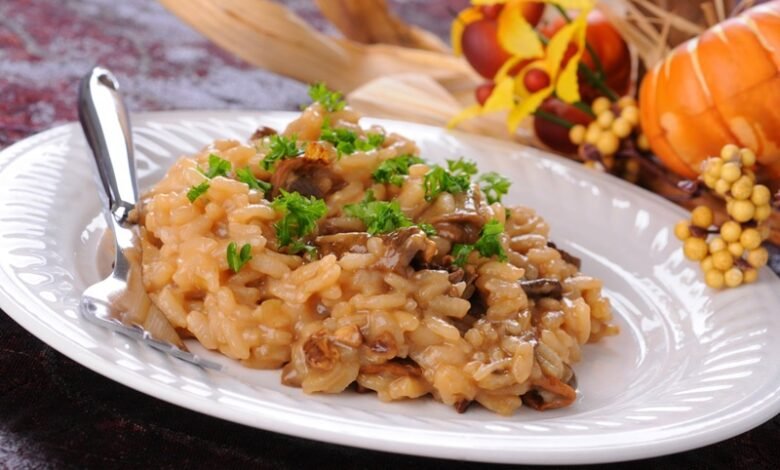
The rice fields around Ferrara are famous for cultivating varieties such as Carnaroli and Vialone Nano, which are essential for Italy’s cherished risotto dishes. However, local farmers now find themselves in a daily struggle against the large flocks of flamingos. The birds don’t eat the rice itself, but as they wade through the water searching for molluscs and insects, their webbed feet churn up the mud and dislodge newly planted seedlings. This physical disruption is enough to devastate entire plots.
To protect their livelihoods, farmers have resorted to improvised deterrents. Some use loud noises, like firing blank shots, banging metal barrels, or even driving trucks through fields to scare the birds away. Unfortunately, these methods have limited effectiveness; often, flamingos simply move to the next rice field, spreading the problem further across the region.
Experts suggest this migration inland is partly due to environmental changes, such as droughts in their traditional coastal habitats and rising sea levels that impact nesting areas. Conservationists point out that the birds’ inland arrival is not necessarily an anomaly but part of a broader adaptation to shifting ecosystems. However, this adaptation is at odds with established agricultural practices, which rely on consistent conditions and careful water management.
Some ornithologists recommend sustainable solutions, like adjusting water levels to make fields less attractive to flamingos or planting hedgerows to reduce access. Yet, farmers fear these measures may not be enough to protect this year’s crop.
The challenge in Ferrara illustrates a growing global tension: balancing biodiversity with food production in a changing climate. As the flamingos continue to thrive in their new inland habitat, local farmers face the prospect of smaller harvests and potential economic loss, highlighting the delicate dance between nature and tradition in modern agriculture.