Israel, Syria Agree to Ceasefire Amid Sweida Clashes; Limited Syrian Troop Access Allowed
News Mania Desk / Piyal Chatterjee / 19th July 2025

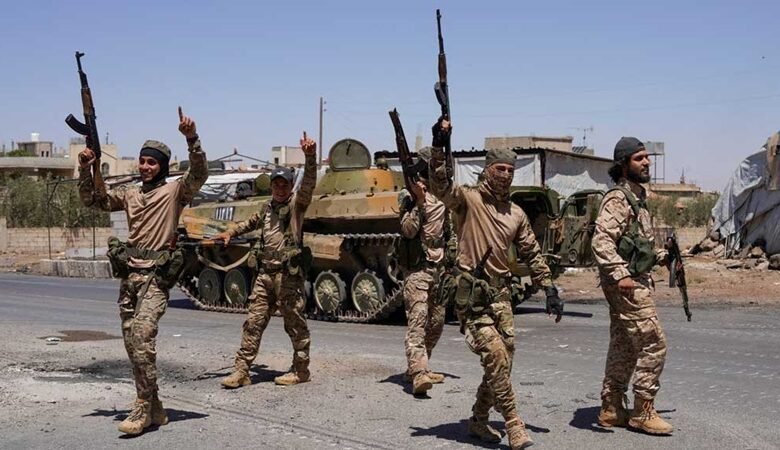
In a significant diplomatic development, Israel and Syria have agreed to a U.S.-brokered ceasefire following days of deadly clashes in Syria’s southern Sweida province. The truce comes after intense fighting between Druze and Bedouin factions, which claimed over 300 lives and devastated civilian infrastructure in the region.
The ceasefire allows Syrian internal security forces a temporary 48-hour window to re-enter Sweida and restore order. This marks a notable shift in Israel’s stance, as it had previously warned against any Syrian military deployment south of Damascus due to concerns over the safety of Druze communities near its border.
U.S. Ambassador to Turkey Tom Barrack confirmed the agreement on Friday, emphasizing the role of American, Turkish, and Jordanian diplomacy in securing the truce. While both Israel and Syria have agreed to cease hostilities, thousands of Bedouin fighters remain active in the region, raising doubts about the truce’s durability.
Sweida residents have reported severe shortages of basic necessities, including food, electricity, and clean water, amid the violence. Humanitarian groups and U.N. observers have flagged accounts of executions, kidnappings, and widespread destruction, underscoring the gravity of the crisis.
Syria’s interim president Ahmed al-Sharaa stated that the deployment of internal security forces would focus on protecting civilians and preventing further sectarian violence. Israel, however, has issued a stern warning, stating it will respond forcefully to any threat against Druze civilians, especially after reports of targeted killings during the unrest.
As both nations cautiously adhere to the ceasefire, international observers remain wary of renewed violence. The situation in Sweida continues to be fragile, and the success of the ceasefire will depend on the commitment of all parties to uphold peace and protect the region’s vulnerable civilian population.