Missionaries Use Secret Audio Devices to Evangelise Brazil’s Isolated Indigenous Communities
News Mania Desk / Piyal Chatterjee / July 27, 2025

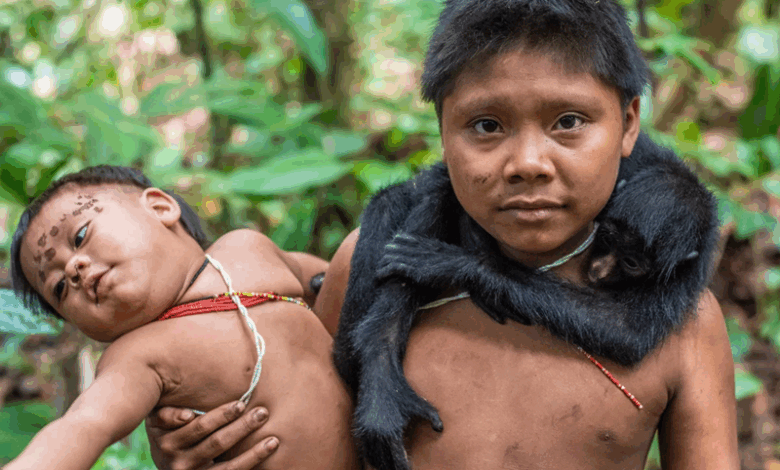
Evangelical missionaries in Brazil are employing covert audio devices to spread Christian messages among the country’s most isolated Indigenous groups, raising serious ethical and legal concerns. According to reports, these missionaries are distributing discreet, solar- or crank-powered audio players preloaded with Bible readings, sermons, and religious music—often in Indigenous languages—targeted at tribes with little or no contact with the outside world.
This strategy is part of a broader campaign by evangelical organizations such as Ethnos360, which aims to reach “unreached peoples” across the Amazon. These groups often justify their mission work as spiritual outreach but critics argue it violates Brazil’s constitutional protections for uncontacted tribes, which prohibit forced or unsolicited interaction to safeguard Indigenous autonomy and prevent disease transmission.
Human rights groups and Indigenous advocates warn that such methods constitute cultural intrusion under the guise of evangelism. Experts caution that even indirect contact—through audio messages—can erode traditional belief systems and social structures, especially in communities with oral cultural heritage. There are growing fears that these devices may destabilize tribal communities, encouraging dependency and undermining Indigenous worldviews.
Legal challenges are emerging in response. Brazilian courts have previously blocked missionary groups from entering Indigenous territories, such as the remote Javari Valley, following pressure from civil society and Indigenous organizations. Historical cases have shown that contact initiated by missionaries often leads to deadly outbreaks of disease and population decline—such as the tragic case of the Zo’é tribe, which suffered a dramatic drop in numbers after missionary contact.
Organizations like Survival International have called for stricter enforcement of no-contact policies and increased protection of tribal lands. As tensions rise between religious freedom and Indigenous rights, this secretive form of evangelism is drawing global scrutiny and reigniting debate over the ethics of missionary outreach in protected territories.