
Moradabad Mother With Postpartum Psychosis Places Infant in Fridge, Family First Blames ‘Evil Forces’
News Mania Desk / Piyal Chatterjee / 10th September 2025

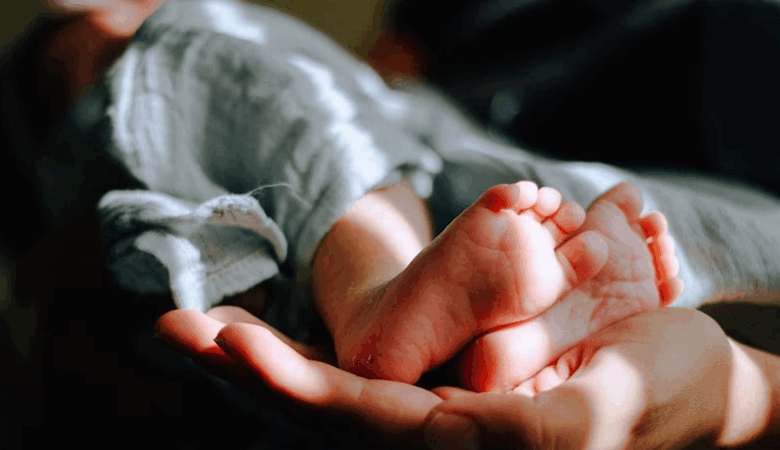
A shocking case from Moradabad, Uttar Pradesh, has highlighted both the dangers of untreated maternal mental illness and the persistence of superstition around health issues. A 23-year-old woman, only two weeks after giving birth, placed her newborn baby in a refrigerator during what doctors later confirmed was an episode of postpartum psychosis.
The incident took place in the Kurla locality last Friday. According to relatives, the young mother—who had been behaving unusually since delivery—put her 15-day-old baby inside the fridge before lying down to sleep. The baby’s cries alerted the grandmother, who rushed to the kitchen and rescued the infant. The newborn was taken to a nearby hospital, where doctors confirmed the child had suffered no major harm and was in stable condition.
Initially, however, the family did not recognize the woman’s actions as symptoms of a psychiatric condition. Instead, they believed she was influenced by “evil forces.” They performed rituals to ward off these supposed supernatural influences, but when her behavior did not improve, the family finally sought medical help.
At a psychiatric and de-addiction center, specialists diagnosed her with postpartum psychosis—a rare but severe mental health disorder that can affect women shortly after childbirth. Psychiatrist Dr. Kartikeya Gupta explained that this illness often goes unrecognized and untreated in India due to social stigma and lack of awareness. Unlike the common “baby blues,” which many new mothers experience temporarily, postpartum psychosis is a medical emergency that can cause hallucinations, delusions, and dangerous behavior toward oneself or the baby if left untreated.
Another psychiatrist, Dr. Meghna Gupta, emphasized that emotional neglect, inadequate care, and lack of support after delivery increase the risks of such disorders. She urged families to pay close attention to mothers’ mental health and seek professional care rather than relying on superstition or delayed interventions.
This disturbing case ended without tragedy because the baby was rescued in time. Yet it highlights a wider problem in India—where cultural beliefs often overshadow medical understanding, leaving women with serious mental illnesses untreated. Experts say greater awareness, support systems for mothers, and education about postpartum conditions are urgently needed to prevent similar incidents in the future.