
Turn Plant Scraps into Delicious Meals: Tips for Cooking, Freezing, and Pickling
News Mania Desk / Piyal Chatterjee / 14th October 2025

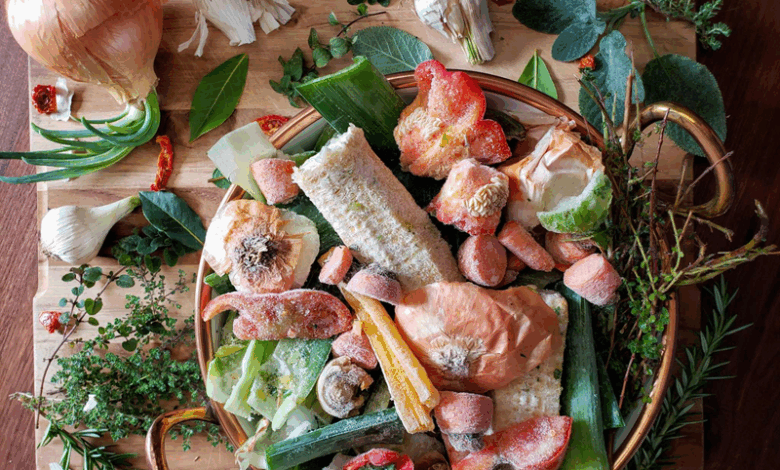
In a move toward sustainable cooking, experts suggest that home cooks can repurpose plant scraps rather than discarding them. Vegetable peels, stems, and leaves, often overlooked in everyday cooking, are rich in nutrients and flavor, making them perfect for a variety of culinary applications.
Many vegetable parts, such as beet greens, zucchini stems, and leafy tops, can be transformed into tasty dishes. Beet greens, for instance, can be sautéed with garlic and olive oil to make a nutrient-rich side. Zucchini leaves, after removing bristles and slicing, can be cooked alongside stems, adding texture and flavor. Tougher leaves may not be ideal for direct consumption but can still impart taste when simmered in soups or stews, enhancing the dish before being removed. Home cooks can also freeze vegetable scraps like carrot peels, onion skins, and celery leaves. Accumulating these scraps in a freezer bag allows for the preparation of homemade vegetable broth whenever needed. By simmering the frozen scraps with water, cooks can create a flavorful base for soups, sauces, and stews, providing a healthy, preservative-free alternative to store-bought broths while reducing food waste.
Some plant scraps, such as watermelon rinds, can be pickled to create unique condiments. The rinds are first sliced, briefly boiled, and then soaked in a mixture of vinegar, sugar, salt, and spices. The process not only preserves the rinds but also adds a tangy flavor that pairs well with a variety of dishes.
By rethinking the use of plant scraps, individuals can cut down on food waste, save money, and introduce new flavors into their meals. These small but effective practices help cultivate a more sustainable kitchen while highlighting the versatility of everyday vegetables. Embracing such techniques is a simple yet impactful step toward a resourceful and environmentally conscious cooking routine.