Delhi Consumer Panel Chief Says Passengers of IndiGo Crisis Can Claim Full Compensation
News Mania Desk / Piyal Chatterjee /9th December 2025

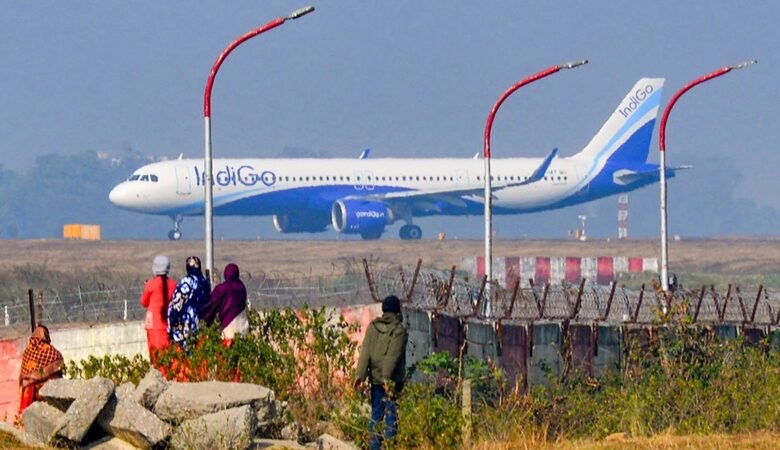
The head of the state consumer commission in Delhi has asserted that passengers affected by the recent mass cancellations at IndiGo can seek compensation far beyond what the aviation regulator mandates. According to the commission’s president, the relief offered under airline-specific rules should be considered a basic minimum — but does not limit travellers’ rights to pursue additional redress under consumer-protection laws.
During remarks addressing the ongoing disruption, the commission’s president described the widespread flight cancellations and associated chaos — including uncertain refunds, delayed baggage delivery, forced rebookings and unexpected additional travel or lodging expenses — as a clear instance of “deficiency in service.” She stressed that such failures entitle affected customers to claim full restitution, including reimbursement for tangible losses and non-monetary damages such as mental distress and inconvenience.
Passengers impacted by the disruption reportedly faced a variety of hardships: multiple flights cancelled, hours-long waits at counters, inconsistent communication, last-minute rescheduling and unplanned expenses for alternate transport or accommodation. The president observed that these cumulative burdens go beyond mere breach of contract, and urged that they be addressed through consumer-forum complaints rather than relying solely on minimal regulatory relief.
She recalled previous rulings in which courts found airlines liable for similar service lapses and awarded compensation for both direct financial losses and consequential hardships. According to her, those precedents validate claims for recovery of rebooking costs, hotel stays, transportation expenses, and even compensation for emotional stress, frustration, and disruption — provided passengers maintain proper documentation.
To help aggrieved flyers exercise their rights, the commission outlined practical steps passengers could follow: (1) retain all relevant evidence — tickets, boarding passes, cancellation notices, refund receipts, rebooking invoices, expense bills, and communication logs; (2) first request statutory relief from the airline under aviation rules; (3) if losses exceed those offered or if service lapses persisted, file a complaint under the Consumer Protection Act citing “deficiency in service” or “unfair trade practice”; (4) claim not only refunds or alternate travel but also costs incurred from additional travel or accommodation, and — where appropriate — compensation for emotional distress or mental anguish; and (5) submit the case to the appropriate consumer-forum (district, state or national) depending on the claim amount.
In issuing this guidance, the commission signalled a strong commitment to consumer rights and legal accountability for airlines — emphasising that regulatory minimums should not become a ceiling for redress. For travellers left stranded by the IndiGo crisis, the message is clear: the legal system recognizes broader entitlements, and those wronged should be empowered to seek full justice.