Why the US Launched Strikes on Venezuela: Oil, Drugs and the Maduro Factor
News Mania Desk /Piyal Chatterjee/3rd January 2026

The United States’ decision to launch direct military strikes on Venezuela marks a dramatic escalation in long-running tensions between the two countries, driven by a mix of allegations involving drug trafficking, political legitimacy, and strategic interests tied to oil. The operation, announced by former US President Donald Trump, culminated in claims that Venezuelan President Nicolás Maduro was captured and taken out of the country, a development that has sent shockwaves across Latin America and beyond.
According to US officials, the strikes were the result of months of mounting pressure on the Maduro government, which Washington has repeatedly accused of running a “narco-state”. American authorities allege that senior figures in Venezuela’s leadership, including Maduro, were involved in large-scale cocaine trafficking networks that threatened US and regional security. The US administration framed its action as part of a broader campaign against transnational drug cartels, describing the situation as an armed conflict rather than a routine law-enforcement issue.
In the lead-up to the attack, US forces significantly expanded their military presence in the Caribbean, deploying warships, aircraft, and surveillance assets near Venezuelan waters. This buildup was accompanied by repeated interceptions of suspected drug-smuggling vessels and intensified intelligence operations targeting alleged trafficking routes linked to Venezuela.
Beyond drug allegations, oil has remained a central factor in the strained relationship. Venezuela holds the world’s largest proven crude oil reserves, and its energy sector has long been a focal point of US sanctions. Washington has accused the Maduro government of using oil revenues to prop up an authoritarian regime, while critics argue that control over energy resources remains a key underlying motive behind US pressure. Over the past year, the US tightened sanctions, restricted Venezuelan oil exports, and seized cargoes linked to the state oil company.
The Venezuelan government has strongly rejected all accusations, calling the US action an act of aggression and a violation of national sovereignty. Senior officials in Caracas accused Washington of pursuing regime change under the guise of anti-drug operations and demanded international intervention to uphold Venezuela’s independence.
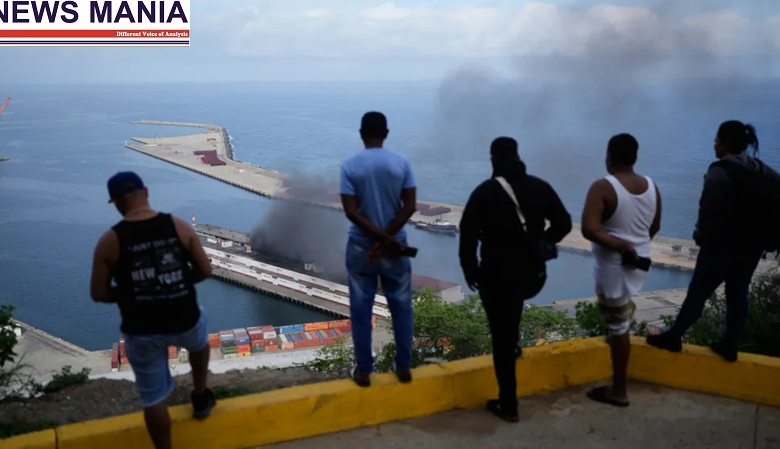
Reactions across the world have been sharply divided. Allies of Venezuela condemned the strikes as illegal and destabilising, while some US partners defended the move as a decisive response to criminal activity and democratic backsliding. Inside Venezuela, reports of explosions, power disruptions, and heightened military activity added to fears of further instability.
With Maduro’s fate uncertain and the political situation unresolved, the US action has raised serious questions about the future of Venezuela’s leadership, regional stability, and the precedent set by direct military intervention in Latin America.