India-US Trade Deal Failed Over Missed Leader-Level Outreach, Says US Commerce Secretary
News Mania Desk /Piyal Chatterjee//9th January 2026

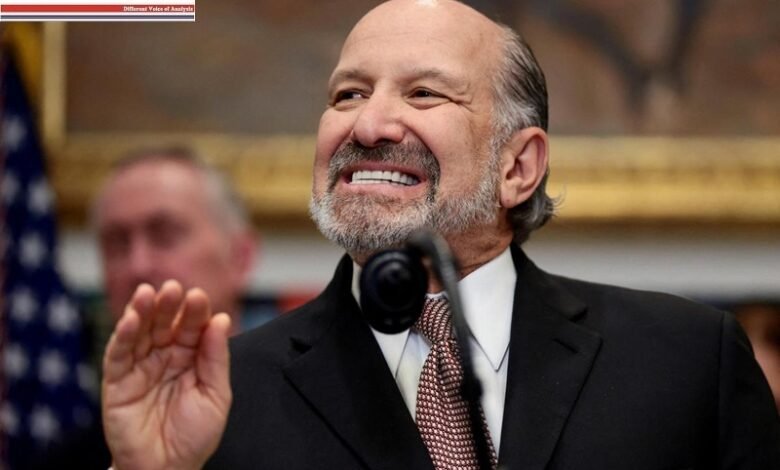
A long-discussed trade agreement between India and the United States did not move forward because Prime Minister Narendra Modi did not make a crucial phone call to then US President Donald Trump, according to US Commerce Secretary Howard Lutnick. His remarks have triggered fresh debate over the role of personal diplomacy in shaping major international economic agreements.
Speaking in a recent interview, Lutnick claimed that negotiations for the trade deal were largely complete and that the framework was ready for final approval. However, he said the agreement required a direct leader-to-leader conversation to close the deal. According to Lutnick, Washington was expecting Prime Minister Modi to initiate the call, but that outreach never happened, leading to the process stalling at a critical stage.
Lutnick suggested that the absence of this final political push proved costly for India, particularly as the United States moved ahead with trade negotiations with other countries in the region. He said Washington went on to conclude or advance agreements with nations such as Vietnam, Indonesia and the Philippines, while India lost its place in the queue. By the time talks resumed, the US side had hardened its negotiating position, making it difficult to revive the earlier understanding.
The comments offer a different explanation for the failure of the India-US trade deal, which had previously been attributed to disagreements over tariffs, market access and protectionist policies. Lutnick’s account shifts the focus from technical trade disputes to the importance of timing and high-level political engagement in sealing complex economic agreements.
He also indicated that the US administration had expected India to be among the first countries to finalise a trade pact, given the strategic partnership between the two democracies. However, without decisive leadership involvement at the final stage, momentum was lost and priorities changed.
The Indian government has not issued an official response to Lutnick’s claims. In the past, New Delhi has maintained that trade negotiations with Washington were ongoing but complicated by differences over duties on certain goods and concerns related to domestic industry protection.
The episode comes at a time when India-US trade relations continue to face challenges, including tariff disputes and concerns over access to each other’s markets. Analysts say Lutnick’s remarks underline how personal diplomacy can influence outcomes, especially when negotiations reach their final stages.
Observers also note that while institutional negotiations remain important, direct engagement between leaders often plays a decisive role in breaking deadlocks. The revelation is likely to spark renewed discussion on whether missed diplomatic opportunities contributed to the collapse of what could have been a landmark trade agreement between two of the world’s largest economies.
As both countries continue to reassess their trade strategies, the stalled deal serves as a reminder that economic diplomacy is shaped not only by policy details but also by timing, trust and political outreach at the highest level.