
To prevent benami and foreign-funded purchases, UP requires PANs for real estate transactions.
News Mania Desk /Piyal Chatterjee/ 5th February 2026
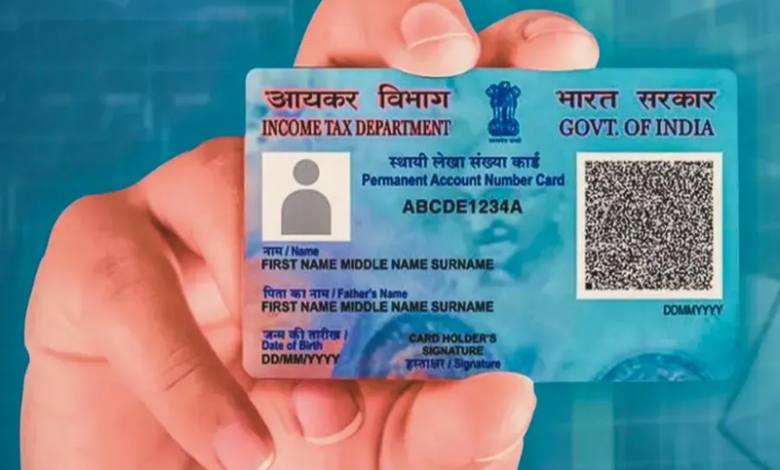
In an effort to curb benami transactions and track down alleged foreign-funded real estate transactions, particularly in vulnerable border areas along Nepal, the Uttar Pradesh government has made PAN cards mandatory for all property purchases and sales throughout the state.
The ruling came after intelligence and law enforcement organizations noticed a trend of foreign-currency real estate purchases along the Indo-Nepal border. Authorities suspect that these assets are being used to conceal ownership, park money, and, in certain situations, fund operations related to terrorism. The state has instructed all district administrations to make sure that both buyers and sellers provide PAN details for each real estate transaction in order to tighten the net.
In the past, the regulation was mostly applied in high-risk areas close to the border. The state as a whole is now included. This comprised all of Uttar Pradesh’s districts as well as the seven districts that border Nepal: Gorakhpur, Maharajganj, Siddharthnagar, Balrampur, Shravasti, Bahraich, and Lakhimpur Kheri. PAN information is now required before any deed can be processed thanks to changes made to the online registration system.
Investigations into international fundraising networks that use real estate acquisitions prompted the policy change. Last year, Maulana Shamsul Huda Khan, a Sant Kabir Nagar native who had acquired British citizenship and lived in London for years, was investigated by the UP Anti-Terrorism Squad (ATS). From 2007 until 2017, he continued to get his income from a madrasa in Azamgarh despite remaining overseas.
Khan visited Pakistan on several occasions and attended meetings of suspicious organizations, according to ATS findings. During his trips to Canada and Pakistan, agencies raised concerns about potential ties to terrorist organizations. In Shravasti, where he had established another madrasa close to the border between India and Nepal, and Azamgarh, FIRs were filed.
The Enforcement Directorate intervened since the case concerned foreign funding. Nearly Rs 4 crore had been transferred into several accounts connected to Khan, the ED discovered.His family allegedly utilized the funds to purchase real estate in the names of his wife, son, and daughter-in-law, as well as to establish a madrasa in Khalilabad, Sant Kabir Nagar. About Rs 94.27 lakh was frozen by the agency across 18 accounts and associated assets.
Such incidents, according to officials, demonstrated how real estate transactions can be used to covertly gain influence in border districts and launder money from abroad. The government aimed to establish a transparent financial trail for officials by requiring PAN cards in all real estate contracts.
The Income Tax Department can monitor odd purchasing trends, confirm the sources of income, and identify instances when significant purchases do not correspond with reported income by using PAN-linked transactions.Additionally, it will make it easier for organizations like ATS and ED to identify benami ownership, foreign funding connections, and clustering acquisitions in particular districts.The UP government anticipates that the law will increase oversight of real estate transactions, discourage illicit activities, and stop benami property sales, especially in regions that are susceptible to security threats and cross-border finance.