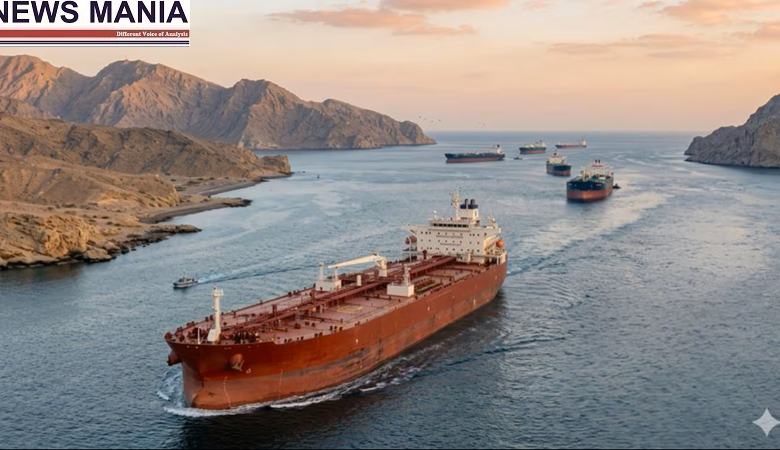
An Indian liquefied petroleum gas (LPG) carrier was recently escorted through the strategically sensitive Strait of Hormuz by the Iranian Navy amid escalating tensions in the Middle East, according to reports. The development comes at a time when maritime movement in the region is being closely monitored and, in some cases, restricted due to the ongoing conflict involving Iran, the United States, and Israel.
The vessel’s passage was not routine. It followed prior diplomatic coordination between India and Iran, highlighting the importance of backchannel engagement in ensuring the safe movement of critical energy supplies. Sources indicate that the ship adhered to a pre-approved route and maintained continuous communication with Iranian authorities while transiting the narrow waterway. Detailed information, including crew composition and cargo origin and destination, was shared as part of the clearance process.
The escort underscores Iran’s increasing control over shipping activity in the Strait of Hormuz, a vital corridor through which a significant portion of the world’s oil and gas supplies pass. With heightened security concerns and reported threats to commercial vessels, several ships have faced delays or rerouting, contributing to uncertainty in global energy markets.
For India, the development carries particular significance. A large share of its LPG imports depends on uninterrupted passage through the Strait of Hormuz, making the safe transit of such vessels a matter of national energy security. The fact that only a limited number of Indian ships have been permitted to cross during this period points to a carefully managed arrangement rather than normal maritime operations.
Analysts suggest the move reflects a pragmatic approach by both countries. While Iran asserts its strategic leverage in the region, India appears to be maintaining a neutral and diplomatic stance to safeguard its economic interests. The incident also illustrates how geopolitical tensions are increasingly influencing commercial shipping routes. As the situation in the Middle East continues to evolve, the controlled movement of vessels through critical chokepoints like the Strait of Hormuz is likely to remain a key factor shaping global trade and energy supply chains.