Terror Plot Targeting Railway Network in Uttar Pradesh Foiled; Pakistan Links Suspected
News Mania Desk/ Piyal Chatterjee/4th April 2026

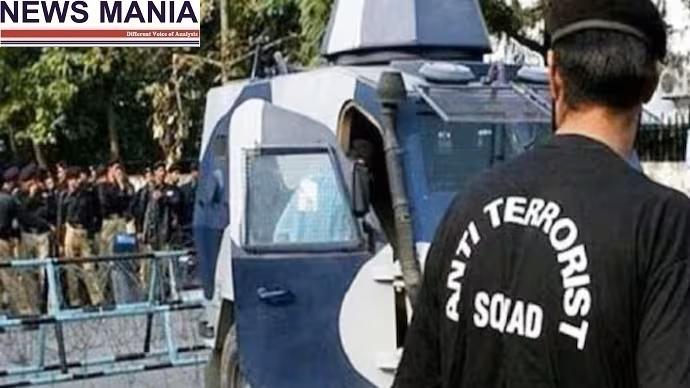
Security agencies in Uttar Pradesh have thwarted a major terror conspiracy aimed at disrupting railway operations, with investigators uncovering alleged cross-border links to handlers based in Pakistan. The swift action by the Uttar Pradesh Anti-Terrorism Squad led to the arrest of four individuals believed to be part of a coordinated module planning acts of sabotage and arson.
According to officials, the suspects had devised a plan to tamper with railway signalling systems, particularly in areas around Lucknow. Such systems play a critical role in regulating train movement, and any disruption could have caused widespread delays, operational chaos, or even serious accidents. Authorities said the group intended to create panic and inflict economic damage by targeting vital transport infrastructure.
Investigations revealed that the alleged mastermind, identified as Saqib alias “Devil,” maintained direct communication with foreign handlers through encrypted digital platforms. Messaging applications like Telegram and Signal were reportedly used to relay instructions, share reconnaissance data, and receive precise location coordinates for potential targets. This level of coordination pointed to a well-structured network operating across borders.
The accused are believed to have conducted surveillance across multiple cities, including Ghaziabad and Aligarh, documenting railway assets and other key installations. Investigators said the suspects captured photographs and videos of sensitive locations, which were then transmitted to handlers abroad for further planning.
Apart from targeting railway infrastructure, the group was allegedly preparing for arson attacks on commercial targets such as trucks transporting gas cylinders and automobile showrooms. These acts were intended to disrupt daily life and spread fear among the public. Officials suspect that minor fire incidents carried out earlier may have served as trial runs, with evidence suggesting that the perpetrators shared videos of these acts to secure financial support.
Funding for the operation was reportedly channelled through digital payment methods, including QR codes, enabling discreet transactions. Authorities also indicated that the accused had been radicalised through online propaganda, highlighting the increasing use of digital tools in recruiting and coordinating such activities.
The ATS conducted the operation based on specific intelligence inputs and intercepted the suspects before they could execute their plans. During the arrests, officials recovered mobile devices, flammable materials, and other incriminating evidence.
A case has been registered under stringent legal provisions, including the Unlawful Activities (Prevention) Act, and further investigation is underway to identify additional links and collaborators. The incident underscores the persistent threat to critical infrastructure and highlights the importance of timely intelligence and coordinated action by security agencies to prevent potential large-scale attacks.