Indian LPG Tankers Navigate Gulf Exit Amid Ongoing Regional Tensions
News Mania Desk/ Piyal Chatterjee/6th April 2026

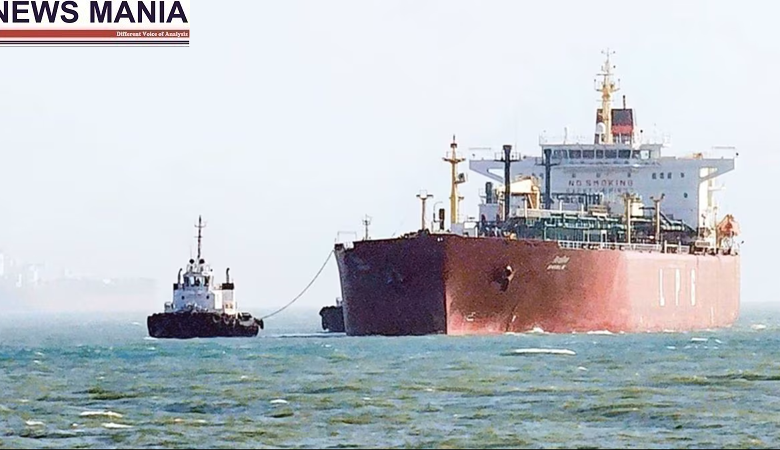
Amid escalating geopolitical tensions in the Gulf region, two more Indian-flagged liquefied petroleum gas (LPG) carriers—Green Asha and Green Sanvi—have successfully exited the Gulf waters, offering a measure of relief to India’s strained energy supply chain. According to ship-tracking data, both vessels have now crossed into the eastern side of the strategically vital Strait of Hormuz, one of the world’s most crucial maritime routes for energy transportation.
With this development, the total number of Indian LPG ships that have safely navigated through the high-risk zone has risen to eight. However, concerns remain as at least one vessel, Jag Vikram, is still awaiting clearance in the western stretch of the strait, underscoring the ongoing uncertainty surrounding maritime operations in the conflict-hit region.
The movement of these vessels comes against the backdrop of heightened tensions linked to the ongoing conflict involving the United States, Israel, and Iran. The situation has significantly disrupted shipping traffic through the Strait of Hormuz, through which nearly a fifth of the world’s oil and gas supplies pass. While Iran has indicated that “non-hostile” ships may be allowed safe passage subject to coordination, the volatile security environment continues to pose risks for commercial shipping.
For India, the stakes are particularly high. The country is heavily dependent on LPG imports to meet domestic demand, with nearly 60 percent of its consumption sourced from overseas markets. A substantial share of these imports originates from the Middle East, making any disruption in the region a serious concern for energy security.
The ongoing crisis has already triggered what officials describe as one of the most severe LPG supply crunches in recent decades. In response, the Indian government has initiated a series of emergency measures aimed at stabilising supply. These include prioritising LPG distribution for household cooking needs, reducing allocation to industrial consumers, and expediting efforts to retrieve stranded vessels from the Gulf.
Additionally, authorities have begun utilising empty ships stationed in the region by loading them with available fuel supplies, thereby maximising transport efficiency under constrained conditions. Several Indian vessels—including Shivalik, Nanda Devi, Pine Gas, Jag Vasant, BW Elm, and BW Tyr—have already been part of this coordinated effort to restore supply lines.
Despite these efforts, the broader situation remains fluid. The safe movement of ships continues to depend on evolving security dynamics and diplomatic engagements in the region. As tensions persist, India’s energy logistics network remains under pressure, with policymakers closely monitoring developments to prevent further disruptions to essential fuel supplies.