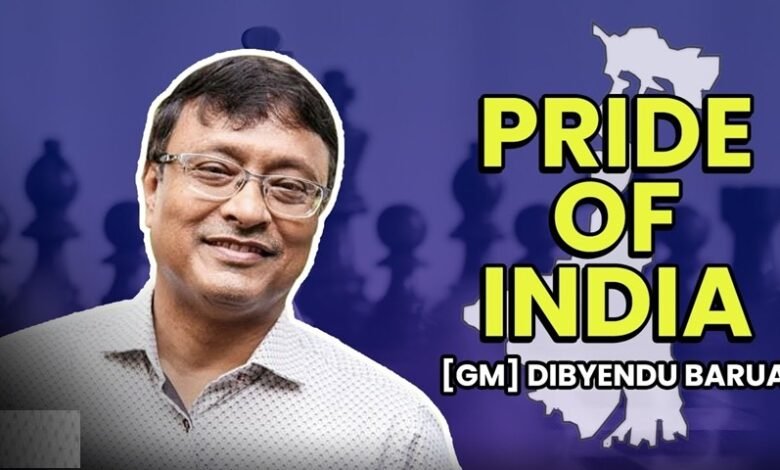
Candid Communication:“Checkmate Insights: Dibyendu Barua on Chess, Strategy, and Life”
Interviewed By: Ashif Shah renowned Businessman, Social Worker and Associate Partner of News Mania

Q: Greetings! As one of the prominent faces of Bengal, what do you see as the main challenges in uplifting the underprivileged?
A: The main issues are finance and infrastructure. These are two major obstacles. Without adequate funding and proper infrastructure, many problems cannot be effectively addressed. If we had these resources in place, a lot of challenges could be solved.
Q: Can you share your philanthropic ideology?
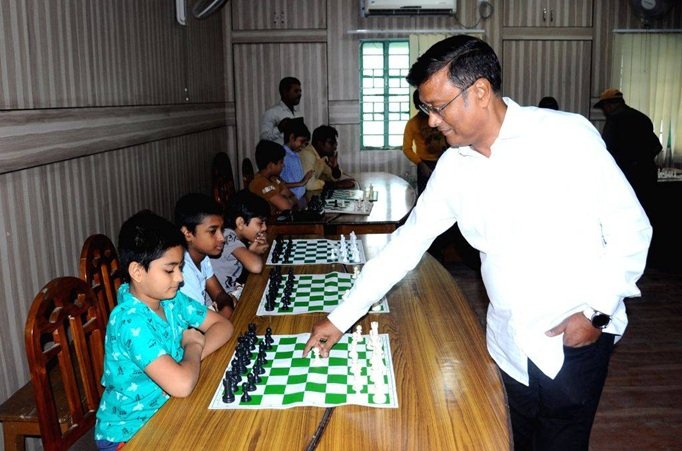
A: I always believe that whatever you do, do it with transparency and honesty. I run my Academy and also serve as the President of the Sara Bangla Daba Sangstha, the state body for chess in West Bengal under the National Federation. For the last four years, we’ve been working to spread chess across all districts.
I feel we have immense talent, but what’s lacking is proper infrastructure and guidance so children from remote areas can have equal opportunities. My advice is simple: work with honesty, encourage the next generation, and avoid holding permanent positions. Leadership is about passing the baton. Regardless of your field—whether as a player, a doctor, or any profession—we should always aim to give back to society.
Q: We are running awareness programs on Thalassemia prevention. Would you like to be associated?
A: Absolutely. It would be a privilege. While our focus is chess, we can certainly collaborate on social initiatives like Thalassemia awareness workshops. Working together, we can extend our reach beyond chess and contribute meaningfully to society.
Q: How could chess and social initiatives come together for a cause?
A: We can join forces for initiatives beyond tournaments. For instance, supporting talented yet underprivileged chess players or organizing awareness campaigns on health and education. There are many young players whose families cannot afford opportunities—they can benefit from such collaborations.
Q: Could you share your experience with social work and its impact?
A: Social organizations are often the first responders in times of natural calamities or crises. They encourage activities like blood donation drives, health awareness campaigns, and even promote sports. I have seen firsthand how initiatives combining social work and sports can make a real difference.
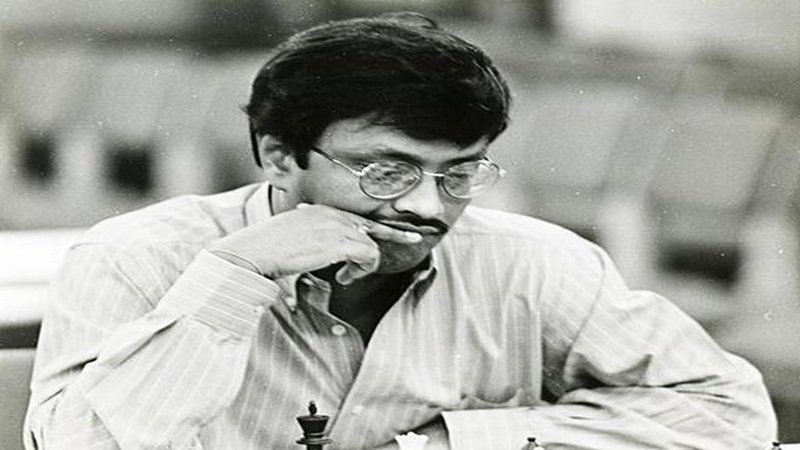
Q: What is the future of chess in West Bengal?
A: Extremely bright! Currently, we have 11 Grandmasters, 2 women Grandmasters, and many young talents making waves nationally and internationally. Over the past 20 years at my Academy, I’ve seen chess grow in popularity. Parents are keen to enroll their children, not just to produce champions, but to help develop their minds, enhance problem-solving skills, and foster discipline. Chess shapes well-rounded individuals who excel academically and personally.
Q: Any message for those involved in social work?
A: Continue doing what you do with love and passion. Lead when necessary, but always make way for the next generation. Do not cling to positions for years—social work is about impact, not titles. Keep inspiring, keep serving, and do it passionately. That’s the key to meaningful change.
NEWS MANIA dESK