Oman Rejects Iran’s Plan to Levy Tolls in Strait of Hormuz Amid Fragile Ceasefire
News Mania Desk/ Piyal Chatterjee/8th April 2026

Fresh tensions have surfaced in West Asia after Oman rejected a proposal by Iran to impose tolls on ships passing through the strategically vital Strait of Hormuz, even as a delicate ceasefire with the United States remains in effect. The dispute centres on Tehran’s suggestion that vessels transiting the narrow waterway should pay fees or obtain permits, potentially linked to the type of cargo carried and prevailing regional conditions. Iranian officials have indicated that such measures could help generate revenue, possibly to support economic recovery following recent hostilities in the region.
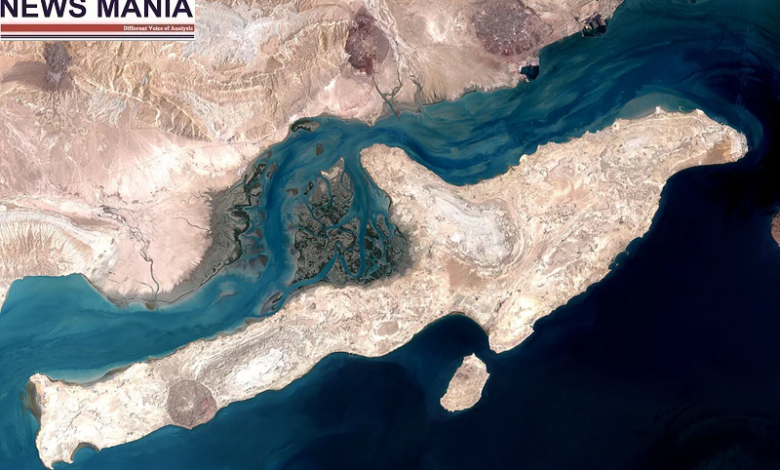
However, Oman has strongly opposed the proposal, asserting that no country has the authority to levy tolls for passage through the Strait of Hormuz. The sultanate emphasised that the waterway is an international transit route governed by established maritime laws, where freedom of navigation must be upheld without financial or administrative barriers. The Strait of Hormuz, which lies between Iran and Oman, is one of the world’s most critical energy corridors, handling a significant portion of global oil shipments. Any attempt to regulate or restrict passage through the strait is likely to have far-reaching implications for global trade and energy markets, raising concerns among major economies and oil-dependent nations.
Legal experts have also pointed to international maritime frameworks, particularly the United Nations Convention on the Law of the Sea (UNCLOS), which supports Oman’s position. Under these rules, coastal states bordering international straits cannot impose charges simply for allowing transit passage, although limited fees may be permitted for specific services such as navigation assistance.
The issue has emerged as a key point of contention at a time when diplomatic efforts are underway to stabilise the region following weeks of conflict. The ceasefire between Iran and the United States was intended to create an opening for dialogue, but disagreements over control and access to strategic waterways have complicated the situation. Washington has echoed Oman’s stance, stressing that free and secure navigation through the strait is non-negotiable. Other Gulf nations, heavily reliant on uninterrupted oil exports, have also expressed concern over any move that could disrupt shipping flows.
The disagreement highlights the fragile nature of the ongoing ceasefire and underscores the challenges facing negotiators as they attempt to build a lasting peace framework. Control over the Strait of Hormuz is expected to remain a central issue in upcoming talks. As discussions continue, global stakeholders are closely monitoring developments, given the strait’s critical importance to international energy supply chains and regional stability.