

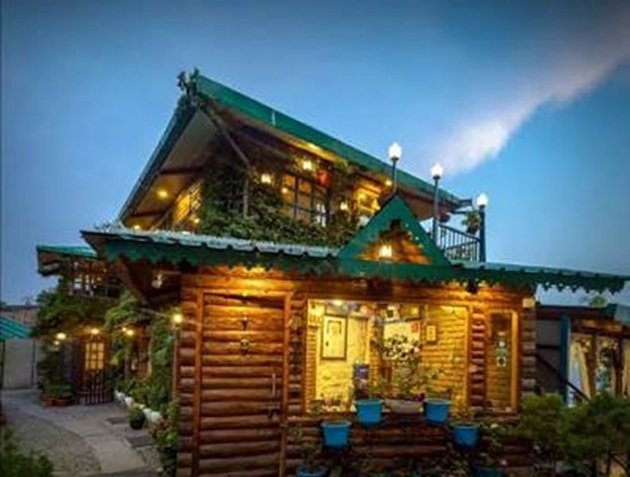
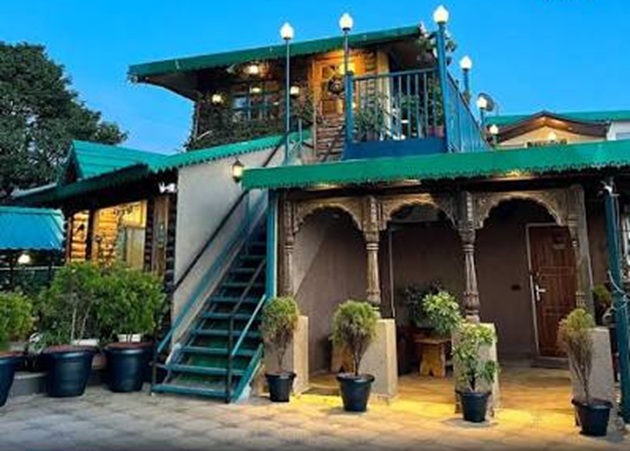
‘A quaint cafe that has caught viewers’ attention in Vikrant Massey’s latest Netflix show is not entirely a work of fiction. The ‘Musafir Cafe’ featured in the series is based at a real heritage property in Mussoorie, Uttarakhand, giving fans an opportunity to explore the location beyond the screen.
The cafe shown in the show is located at Jharipani Castle, a heritage boutique property situated in the hills of Mussoorie. The setting has attracted interest from viewers who were curious about whether the picturesque cafe and its surroundings were created specifically for the series or were based on an actual location.
Jharipani Castle has a long history and reportedly dates back to 1932. The property is also associated with the erstwhile royal family of Patiala, adding to its historical character. Its colonial-era architecture, peaceful surroundings and mountain setting provide a distinctive backdrop that fits naturally into the visual world of the Netflix production.
The appearance of the location has sparked interest among fans of Massey, particularly those who enjoy discovering real places featured in films and streaming productions. The property offers visitors a chance to experience the atmosphere that audiences have seen on screen while also exploring the wider charm of Mussoorie.
Located in Uttarakhand, Mussoorie is one of the country’s best-known hill destinations and has long attracted tourists seeking cooler weather, scenic views and colonial-era landmarks. The discovery of the real-life location adds another point of interest for travellers visiting the popular hill station.
The growing popularity of filming locations reflects a wider trend in which viewers increasingly seek out real-world places featured in movies and web series. For fans of Massey’s new Netflix project, the connection between the fictional ‘Musafir Cafe’ and Jharipani Castle offers an intriguing reason to add the heritage property to a Mussoorie itinerary.