Supreme Court Declines Plea Against Restrictions on Journalists, Activists Entering UP and Rajasthan Schools
News Mania Desks/ Piyal Chatterjee/ 3rd September 2026

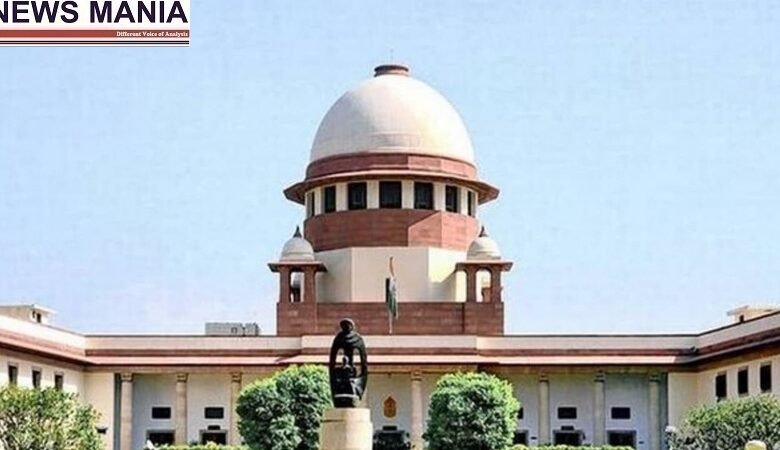
The Supreme Court has declined to entertain a petition challenging restrictions on the entry of journalists, activists and other outsiders into government schools in Uttar Pradesh and Rajasthan. The plea questioned rules requiring prior permission for such visits and argued that they could make it difficult for the media and civil society groups to independently assess conditions in schools. A Bench of the apex court refused to examine the petition on its merits, leaving the existing restrictions in the two states unchanged.
The petitioners had raised concerns over regulations governing visits by journalists and activists to government-run educational institutions. They argued that members of the media and civil society should be able to visit schools to report on issues involving infrastructure, teaching conditions, availability of facilities and the implementation of government education programmes.
According to the petition, mandatory permission requirements could create hurdles for independent reporting and make it harder to bring problems within the education system to public attention. The petitioners sought the court’s intervention against the restrictions, contending that they could unnecessarily limit legitimate journalistic and social activities.
The authorities, however, have defended the need to regulate access to schools. Government schools are environments where children spend a significant part of their day, and officials have cited student safety, privacy and security as important reasons for controlling the entry of outsiders.
Unregulated visits could also disrupt regular classes and create administrative difficulties for teachers and school authorities. Officials have maintained that a permission-based system allows schools to identify visitors and ensure that their presence does not interfere with students or academic activities.
Journalists and activists frequently visit government schools to examine the condition of facilities and assess the implementation of welfare and education schemes. Petitioners argued that such visits serve a public purpose, particularly when they involve documenting shortcomings affecting students.
With the Supreme Court declining to entertain the plea, the immediate legal challenge to the restrictions has come to an end. The regulations governing visits by journalists, activists and other outsiders to government schools in Uttar Pradesh and Rajasthan will therefore continue unless they are challenged through another legal or administrative process. The ruling has brought renewed attention to the need for clear guidelines that protect students while allowing legitimate reporting and public-interest activities within government educational institutions.