Saudi Arabia Faces Growing Oil Export Threat as Houthis Tighten Grip on Red Sea
News Mania Desk/ Piyal Chatterjee/ 13th September 2026

Saudi Arabia is facing mounting pressure over its oil exports as Iran-backed Houthi rebels expand their presence along Yemen’s Red Sea coast, while a drone attack has forced the shutdown of a key oil pipeline and the Strait of Hormuz remains severely disrupted.
The developments have left Riyadh facing threats to both its energy infrastructure and alternative export routes. The situation has also raised concerns in global energy markets, particularly as Saudi Arabia had increasingly relied on routes through the Red Sea after Iran disrupted shipping through the Strait of Hormuz.
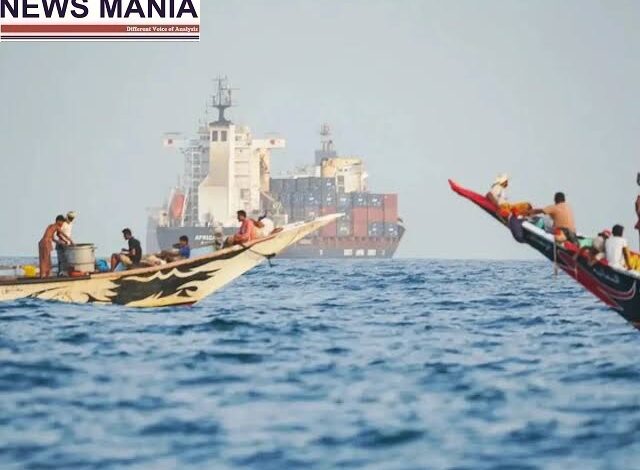
Saudi Arabia had managed to bypass the Hormuz crisis by transporting crude across the Arabian Peninsula to its Red Sea terminals. From there, oil could reach Europe through Egypt’s SUMED pipeline and the Suez Canal, or travel towards Asia through the Bab el-Mandeb Strait and the Indian Ocean. That alternative is now under growing threat.
Over the past two days, Houthi forces have captured the Yemeni port city of Mokha and a Red Sea island from Saudi-backed government forces. The gains could strengthen the group’s ability to disrupt Saudi shipping through the strategically important Bab el-Mandeb waterway.
The pressure increased further on Friday when Saudi Arabia announced the closure of a pipeline carrying oil from major fields in the east to the Red Sea in the west following drone attacks originating from Iraq. Iran supports powerful militias in Iraq, while regional officials have said the Houthis assisted Iraqi groups in carrying out attacks.
Houthi attacks have already had a major impact on Saudi oil shipments to Asia. According to Kpler data, Saudi exports to the region fell from about 3.4 million barrels per day in June to just 128,000 barrels per day in August, before recovering to around 700,000 barrels per day this month.
Saudi Arabia has fought the Houthis since 2015, with the conflict killing an estimated 150,000 people before a ceasefire was reached in 2022. Riyadh now faces difficult choices, including renewed military action or diplomatic engagement with the Houthis and Iran.
However, Saudi Arabia’s options are complicated by uncertainty over US support. Washington is already heavily committed to the Hormuz crisis and has limited interceptor missile supplies. The conflict is also politically unpopular in the US ahead of congressional elections. The combined pressure from the Houthis, the pipeline shutdown and the Hormuz disruption has left Saudi Arabia confronting a serious challenge to its security and oil export network.