
What Do 70%, 85% and 90% Cocoa Percentages in Dark Chocolate Mean?
News Mania Desk/ Piyal Chatterjee/ 18th September 2026

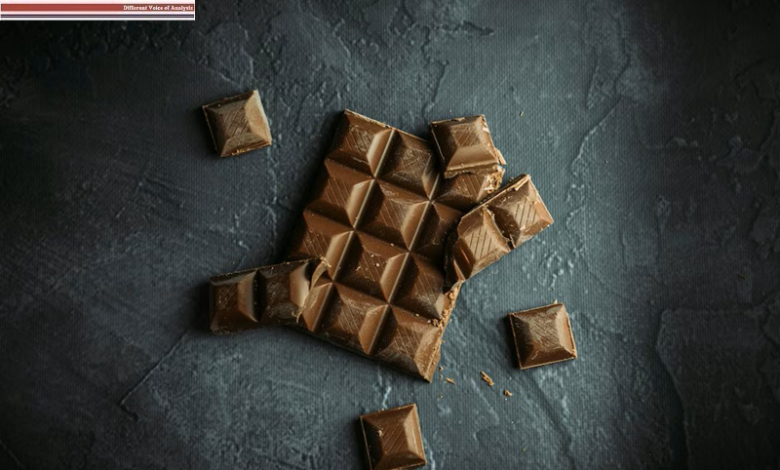
Dark chocolate labels often feature numbers such as 70%, 85% or 90% cocoa, but these figures can be confusing for consumers. The percentage does not indicate a simple quality ranking. Instead, it represents the proportion of cocoa-derived ingredients used in the chocolate, with the remaining portion generally consisting of ingredients such as sugar and other components.
A chocolate containing 70% cocoa typically has a more noticeable sweetness than varieties with higher cocoa percentages. The balance between cocoa and sugar can make it comparatively approachable for consumers who are new to dark chocolate. As the cocoa percentage rises, the amount of sugar generally decreases, resulting in a stronger and more intense cocoa flavour.
An 85% dark chocolate offers a different balance. With less sugar and a higher proportion of cocoa-derived ingredients, it tends to have a deeper and more pronounced flavour. Depending on the beans and production methods, it can also have bitter, fruity, nutty or earthy notes. At 90% cocoa, the chocolate generally contains very little sugar and delivers a considerably more intense cacao experience. Such chocolates can be noticeably bitter and are often preferred by consumers who enjoy a strong cocoa flavour.
However, the percentage alone does not determine how good a chocolate will taste. Factors including the origin and variety of cocoa beans, fermentation, drying and roasting methods can significantly influence the final flavour. The proportion of cocoa solids and cocoa butter also affects the texture and mouthfeel.
For consumers, the choice between 70%, 85% and 90% cocoa ultimately depends on personal preference. Those seeking a sweeter and milder dark chocolate may prefer a lower percentage, while people looking for a stronger and less sweet cacao flavour may opt for higher cocoa content.