Trump Posts ‘Trump Strait’ Map After Rejecting Iran’s Hormuz Proposal
News Mania Desk/ Piyal Chatterjee/ 26th September 2026

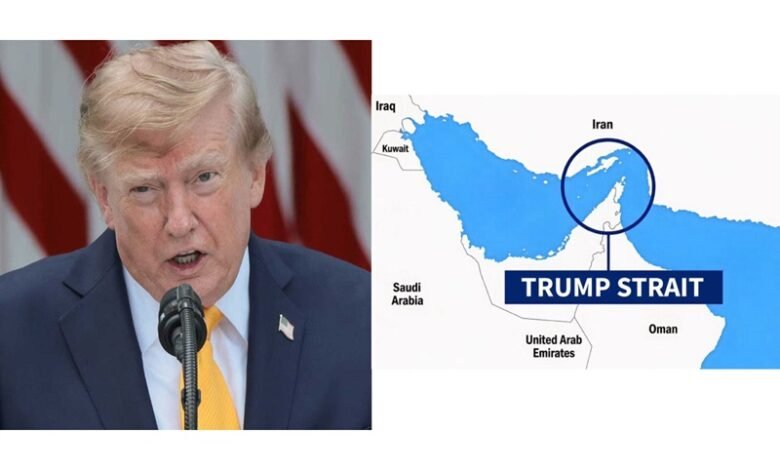
US President Donald Trump has posted a map depicting the Strait of Hormuz as the “Trump Strait”, shortly after his administration reportedly rejected an Iranian proposal aimed at reopening the strategically important waterway and restarting negotiations over Tehran’s nuclear programme.
The map was shared by Trump on his social media platform as tensions between the United States and Iran continued to escalate. The Strait of Hormuz is a critical route for global energy supplies, and developments affecting its operation have drawn international attention because of their potential impact on oil markets and shipping.
The move came after Iran reportedly proposed a seven-day plan to reopen the strait and resume talks with the United States. Tehran’s proposal was linked to several conditions, including the lifting of a US naval blockade, an easing of oil-related sanctions and a ceasefire arrangement extending to Lebanon. The US rejection of the proposal has added to uncertainty over the possibility of renewed diplomatic engagement between Washington and Tehran. The two countries remain sharply divided over Iran’s nuclear programme, sanctions and military operations in the region.
Iran has sought the removal of restrictions imposed by Washington as part of any arrangement to reopen the waterway and resume negotiations. The proposal also reportedly called for a broader ceasefire, reflecting Tehran’s position that developments involving Lebanon should be included in any agreement.
Trump’s decision to share the map with the Strait of Hormuz labelled “Trump Strait” comes against this backdrop of heightened tensions. The post did not, by itself, establish a change in the waterway’s official name, but it drew attention because of the strategic significance of the passage. The Strait of Hormuz connects the Persian Gulf with the Gulf of Oman and the Arabian Sea and is one of the world’s most important energy corridors. Any prolonged disruption could affect international shipping and energy supplies, making the standoff between Washington and Tehran a matter of wider global concern.
Washington has continued to pressure Tehran through sanctions and military measures, while Iran has demanded changes in US policy before agreeing to renewed negotiations. With Iran’s proposal rejected, uncertainty remains over the next stage of diplomacy. The two sides have yet to reach agreement on the conditions for reopening the Strait of Hormuz or restarting nuclear talks, leaving the region facing continued diplomatic and security tensions.