
Yemen’s Taiz Faces Renewed Siege as Food and Fuel Prices Surge Amid Fighting
News Mania Desk/ Piyal Chatterjee/ 10th October 2026

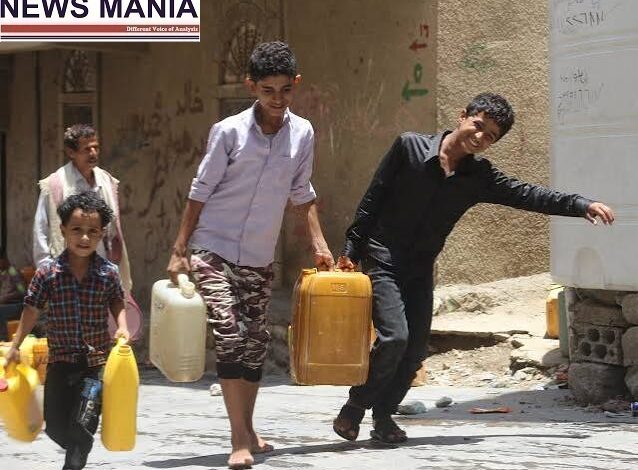
Yemen’s southwestern city of Taiz is facing a worsening humanitarian crisis as renewed fighting and the disruption of key transport routes have intensified shortages of food, fuel and other essential supplies. The latest escalation has raised fears that hundreds of thousands of residents could face growing difficulties accessing basic necessities as the city risks being isolated once again.
The crisis deepened after Houthi forces advanced through surrounding areas and captured the town of al-Turbah by October 4, reportedly cutting off the main road linking Taiz city with territories controlled by Yemen’s internationally recognised government. The disruption has affected the movement of commercial goods and humanitarian supplies, leaving residents increasingly vulnerable to rising prices and shortages. Fuel costs have surged sharply amid the disruption. According to local reports, the price of a 20-litre container of petrol on the black market rose from 30,000 Yemeni riyals to 90,000 riyals. The increase has placed additional pressure on households already struggling with deteriorating economic conditions and limited access to essential commodities.
Food prices have also risen as supply routes come under strain. Residents have reportedly begun stockpiling essential items in anticipation of further shortages, while the availability of wheat, flour, vegetables and fruit has been affected by the disruption. The situation has heightened concerns about food security, particularly among families with limited financial resources. Local officials estimate that approximately 2.8 million people in government-controlled areas of Taiz could be affected by the worsening conditions. Around 200,000 people who have recently been displaced by fighting may face additional hardship as they seek shelter, food and other necessities.
The renewed isolation of Taiz has also raised concerns about access to healthcare, drinking water and other essential services. Humanitarian advocates have warned that prolonged restrictions on movement could prevent patients from reaching hospitals and make it more difficult for aid organisations to deliver supplies. Children, women, older people and those requiring regular medical treatment are among the groups considered particularly vulnerable.
Local authorities have appealed to the United Nations for assistance in securing safe transport routes and humanitarian corridors into the city. They have called for measures to ensure that food, fuel, medicines and other essential goods can reach civilians without being obstructed by the fighting.
The developments have revived memories of the prolonged siege Taiz endured between 2015 and 2016 during Yemen’s civil war, when restrictions on access to the city severely affected civilian life. Yemen has experienced years of conflict between Houthi forces and the internationally recognised government, with repeated fighting contributing to widespread displacement, economic hardship and dependence on humanitarian assistance.