Pakistan to Chair World Bank and IMF Boards in 2027 Amid Economic Crisis
News Mania Desk/ Piyal Chatterjee/ 18th October 2026

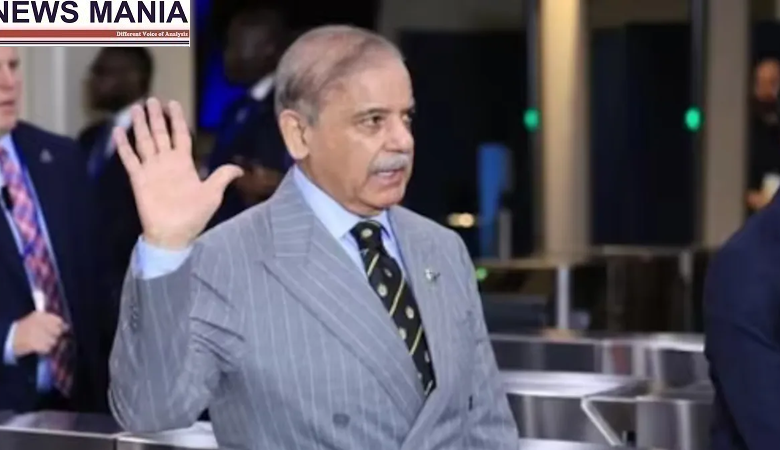
Pakistan will assume the chairmanship of the boards of governors of the World Bank Group and the International Monetary Fund (IMF) in 2027 for the first time since 1953, according to the country’s Ministry of Economic Affairs.
The announcement was made during the 2026 World Bank-IMF Annual Meetings in Bangkok, where Pakistan’s Economic Affairs Minister and World Bank governor, Ahad Khan Cheema, was named the next chairperson. The ministry described the appointment as a historic milestone that would give Islamabad a greater role in international economic discussions and encourage cooperation among member countries.
The diplomatic recognition comes as Pakistan continues to face significant economic difficulties and relies on external financial assistance to meet its obligations. The country is currently receiving support through two IMF bailout programmes: a $7 billion Extended Fund Facility (EFF) and a $1.4 billion Resilience and Sustainability Facility (RSF).
Pakistan joined the IMF in 1950 and has participated in at least 25 IMF loan programmes since then, reflecting persistent difficulties in managing foreign exchange reserves, inflation and external debt obligations.
The country could receive an additional $1.2 billion from the IMF following an agreement between Pakistani authorities and the fund’s staff on the latest reviews of both programmes. The disbursement remains subject to approval by the IMF Executive Board.
The boards of governors are the highest decision-making bodies of the World Bank and the IMF. Each member country appoints a governor, usually its finance minister or central bank chief, to represent its interests. Much of the institutions’ day-to-day work is handled by executive directors.
Under the organisations’ rules, the chairperson is selected during the annual meetings and serves until the conclusion of the following year’s gathering.
Pakistan’s appointment is expected to strengthen its diplomatic visibility in global financial institutions. However, the country continues to face the challenge of economic stabilisation, reducing dependence on external borrowing and maintaining sustainable economic growth.