Allahabad HC Refuses to Stay Sambhal Mosque Demolition, Directs Petitioners to Lower Court
News Mania Desk / Piyal Chatterjee / 4th October 2025

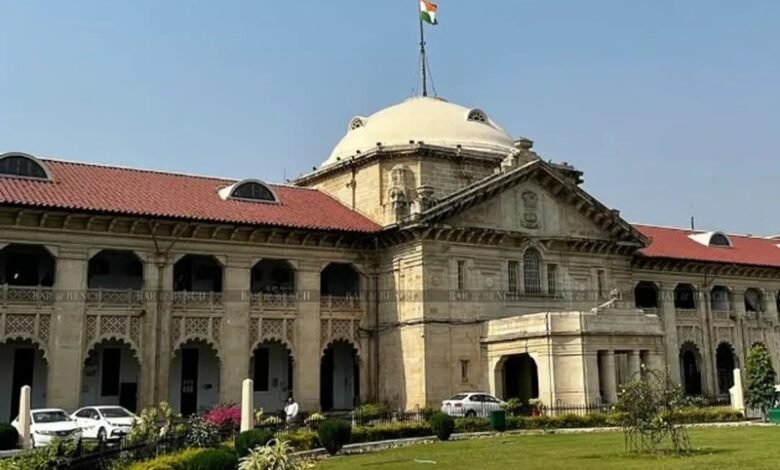
The Allahabad High Court on Saturday declined to halt the demolition of a mosque and adjoining marriage hall in Raya Buzurg village, Sambhal district, Uttar Pradesh, which had been razed earlier this week. The court dismissed the plea filed by the mosque committee seeking interim relief and directed them to approach the trial court for further legal remedy.
The demolition, carried out on October 2 under heavy police security, involved a mosque and a 30,000-square-foot barat ghar (marriage hall). Authorities alleged that the structures had been built illegally on land officially recorded as a pond and classified as government property.
Petitioners representing the mosque committee claimed that the action violated due process. They argued that the September 2 demolition order was never formally served, and the razing was executed without giving them a fair chance to contest the claims. They also objected to the timing of the demolition on Gandhi Jayanti and Dussehra, warning it risked disturbing communal harmony.
During the hearing, the bench led by Justice Dinesh Pathak asked the petitioners to submit ownership documents of the land. While the mosque committee presented papers asserting their rights, the court noted that substantial portions of the structure stood on government-listed land. The state, meanwhile, contended that notices had been issued and ignored, and that voluntary dismantling by the mosque committee was insufficient.
The High Court declined to issue a stay order, emphasizing that questions over ownership and procedural lapses should be addressed at the trial court level. The decision effectively leaves the demolition intact while opening the door for further litigation.
This marks the second mosque demolition in Sambhal in four months, following similar action in June, fueling an already tense debate over religious structures built on disputed land in Uttar Pradesh. With the High Court refusing to intervene, the matter is expected to shift to the lower judiciary, where arguments over land title and due process will now play out.
The case has drawn attention from legal experts and community leaders, highlighting the growing intersection of urban governance, land disputes, and religious sensitivities in the state.