Andhra Pradesh Dy CM Pawan Kalyan’s personality rights are safeguarded by the Delhi High Court
News Mania Desk /Piyal Chatterjee/2nd January 2026

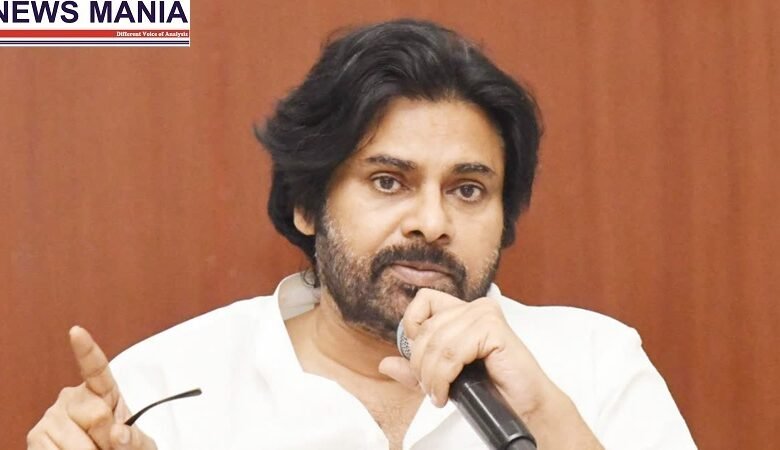
Popular actor and Andhra Pradesh Deputy Chief Minister Pawan Kalyan’s personality rights have been safeguarded by the Delhi High Court, which has prohibited many websites and internet platforms from utilizing his name or photos for profit without his permission. While considering Kalyan’s plea, Judge Manmeet Pritam Singh Arora ordered 14 defendants, including John Doe individuals and a number of e-commerce websites, to refrain from using Kalyan’s personality traits through artificial intelligence and deepfake technology until the next hearing date.
In the order dated December 22, the court said, “The balance of convenience lies in favour of the plaintiff , and the continuing availability of the infringing content would cause him irreparable injury.”
The court observed that Kalyan is a well-known public figure and the current deputy chief minister of Andhra Pradesh, and that the defendant entities were using his name, likeness, voice, and images without his permission to sell goods for profit, either directly or via e-commerce platforms.It claimed that without his permission, the organizations were utilizing his personality traits in AI software on their websites for profit.
The court ordered social media accounts to explicitly incorporate a description saying “fan account” on their profiles, citing Kalyan’s concern that certain accounts were posing as him.
It scheduled a follow-up hearing for May 12.
The right to control, safeguard, and profit from one’s name, image, or likeness is known as the right to publicity, or personality rights.
Bollywood actors Aishwarya Rai Bachchan, her husband Abhishek Bachchan, her mother-in-law Jaya Bachchan, Hrithik Roshan, Ajay Devgn, and R Madhavan, as well as filmmaker Karan Johar, singer Kumar Sanu, Telugu actor Akkineni Nagarjuna, founder of Art of Living Ravi Shankar, journalist Sudhir Chaudhary, and podcaster Raj Shamani, recently petitioned the high court to protect their publicity rights.