Architectural Gems Built by Indian Women: Monuments of Power, Devotion, and Legacy
News Mania Desk / Piyal Chatterjee / 5th July 2025

Across India’s landscape, several magnificent monuments stand as quiet yet powerful reminders of the remarkable contributions made by women in history. Far from being mere symbols, these monuments tell stories of devotion, strategy, artistry, and vision—built under the patronage of queens, empresses, and noblewomen who shaped India’s architectural and cultural heritage. Some of these sites are now globally recognized as UNESCO World Heritage Sites, underscoring their timeless significance.
One of the most striking examples is Humayun’s Tomb in Delhi. Commissioned in 1565 by Bega Begum—also known as Haji Begum—in memory of her husband, Mughal Emperor Humayun, this masterpiece was the first garden tomb of its kind in India. Its Persian-inspired design, harmonious proportions, and grand scale laid the foundation for future Mughal architecture, notably influencing the creation of the iconic Taj Mahal.
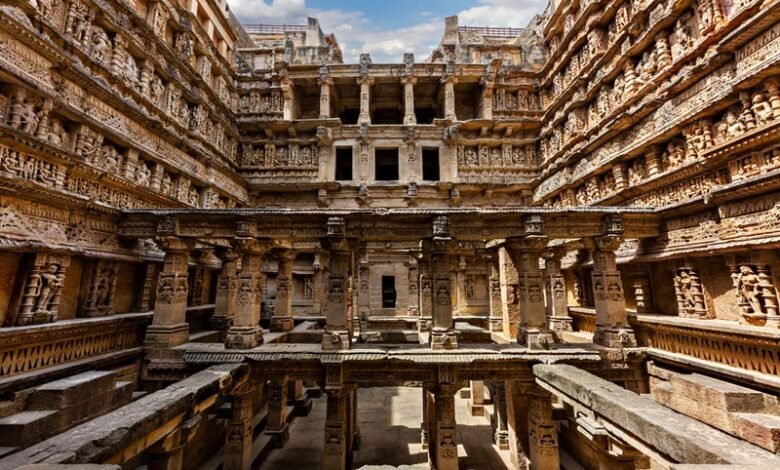
In Gujarat, the Rani ki Vav (Queen’s Stepwell) in Patan showcases both aesthetic brilliance and engineering genius. Built in the 11th century by Queen Udayamati as a tribute to her husband, King Bhima I, this seven-level stepwell is adorned with over a thousand intricate sculptures depicting deities, mythical figures, and everyday life. Recognized by UNESCO, it serves as a profound blend of art and utility, reflecting how water conservation and devotion were seamlessly integrated.
Moving south, the Virupaksha Temple at Pattadakal in Karnataka stands as an emblem of royal patronage. Built by Queen Lokamahadevi in the 8th century to commemorate her husband Vikramaditya II’s victory, the temple is a masterpiece of Chalukyan architecture. Its ornate sandstone carvings and grand structure highlight the queen’s role in promoting art and religion.
Delhi’s rich history also bears the imprint of royal women. In 1707, Zeenat-un-Nissa, daughter of Emperor Aurangzeb, commissioned the Zeenat-ul-Masajid. Crafted in red sandstone with marble accents, this mosque embodies the refined elegance of late Mughal architecture and stands as a testament to a woman’s dedication to faith and community.
Further south, Mirjan Fort in Karnataka was constructed in the 16th century by Queen Chennabhairadevi, famously known as the “Pepper Queen.” Strategically located on the banks of the Aghanashini River, this fortress played a vital role in trade and defense, showcasing the queen’s strategic acumen and economic influence.
Together, these monuments are more than beautiful structures—they are historical narratives etched in stone. They reveal how Indian women, often sidelined in mainstream history, were decisive patrons who shaped architectural legacies that endure centuries later. These sites remind us that the story of India’s built heritage is incomplete without acknowledging the vision and leadership of its women.