In a rare public breach with Trump, Netanyahu rejects the US-led 15-point Gaza peace plan
News Mania Desk/ Piyal Chatterjee/ 10th August 2026

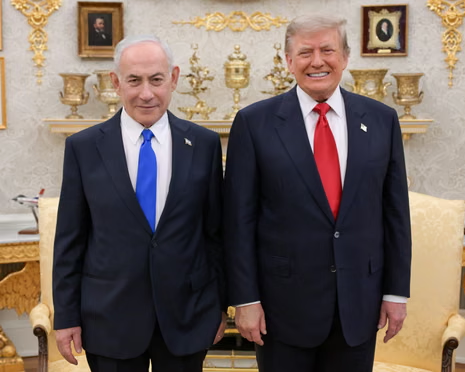
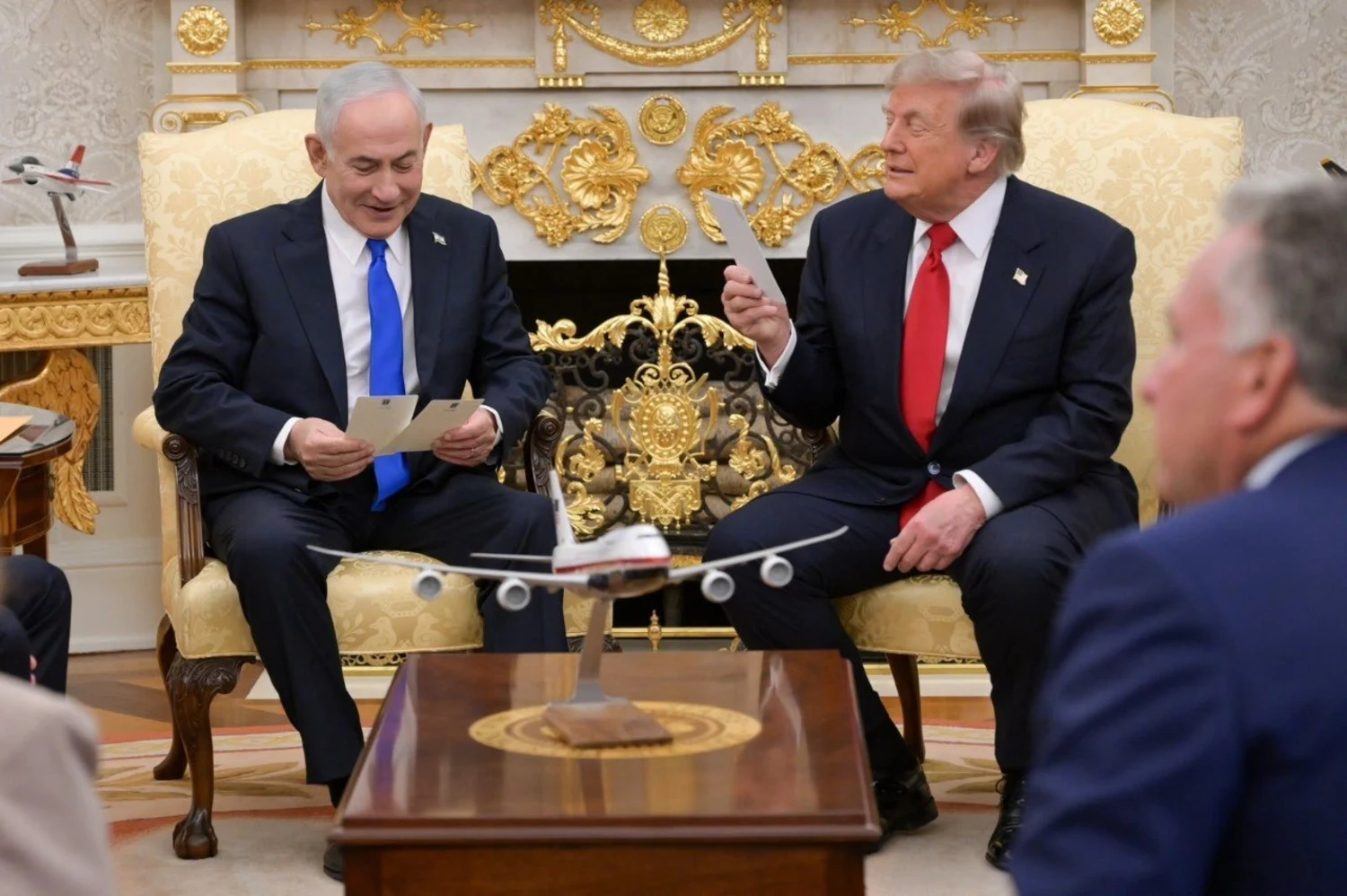
In a rare public rupture with Donald Trump, Israeli Prime Minister Benjamin Netanyahu rejected a 15-point peace plan for Gaza that was supported by the United States. In a statement on Sunday, Netanyahu criticised US efforts to finish the battles in Gaza, Lebanon, and Iran without Israel’s support and claimed he was dealing with a “wave of rumours about Israeli weakness and Israeli withdrawals on all fronts.”
On Gaza, he said: “Israel does not accept the 15-point document. The IDF will not carry out any withdrawal until Hamas is disarmed. And when I say the disarming of Hamas, it means heavy weaponry, lighter weaponry, all weaponry. And we are talking about genuine disarmament, not fictitious disarmament. Right now, we are talking with the Americans about this issue.”
The 15-point plan, which called for Hamas to disarm in exchange for Israel’s complete military withdrawal from the Gaza Strip and the eventual transfer of control to an independent Palestinian National Committee, was put forth by Trump’s Board of Peace in July. Netanyahu stated on Sunday that he wanted complete disarmament before putting the agreement into effect, despite Trump’s earlier statement that it would be implemented
gradually.
The US was the Israeli leader’s primary aim in his comments. Israel has become a major obstacle to the Trump administration’s efforts to mediate regional peace, Israel’s conflicts in Gaza and Lebanon, and the war started by joint US-Israeli strikes on Iran. Furthermore, Netanyahu seems prepared to put his relationship with Trump to the test in public to strengthen his standing as an Israeli defender at home, given the challenging elections in October and pressure from hardliners in his own cabinet.
Israel has previously made it clear that the US-led plan would not be accepted. Israel increased its bombing campaign in Palestinian territory shortly after Trump made the announcement last month; last Sunday, bombings killed eighteen civilians. Netanyahu’s office had previously indicated it would not back the plan, saying: “The version that has been made public does not reflect Israel’s positions.”
But Sunday’s rejection was far more forceful and direct, and appeared targeted at the Trump White House, as Trump and Netanyahu both face difficult elections. “Unlike all those who lecture us, we do what needs to be done for Israel’s security, and we can and know how to stand our ground, even against our best friends when necessary,” Netanyahu said.
Trump’s ambition to be viewed as a peacemaker in international disputes has been damaged by Netanyahu’s refusal. In order to reopen the Strait of Hormuz and lower the price of oil and petrol, the White House is frantic to strike a peace deal in Iran before the US midterm elections in November.
However, the Middle East’s conflicts are intertwined, and concurrent US efforts have persisted in bringing peace to Gaza, where US allies in the Gulf have denounced what they claim is an Israeli ethnic cleansing campaign, and Lebanon, where Israel has occupied territory in what it claims is a buffer zone against Hezbollah.
More recently, the Biden administration discovered that its worries about the death toll in Gaza were disregarded, but it persisted in openly supporting Netanyahu and did not considerably halt military assistance to the nation because of concern about potential political backlash from Netanyahu and his US friends. Trump will have to decide whether to increase pressure on Netanyahu, potentially alienating some pro-Israel allies, or to allow his efforts for a Gaza peace plan to stall, perhaps indefinitely.