As Bangladesh faces an electricity crisis, nurses utilize torches, and India is unable to provide much assistance.
News Mania Desk/ Piyal Chatterjee/ 18th September 2026

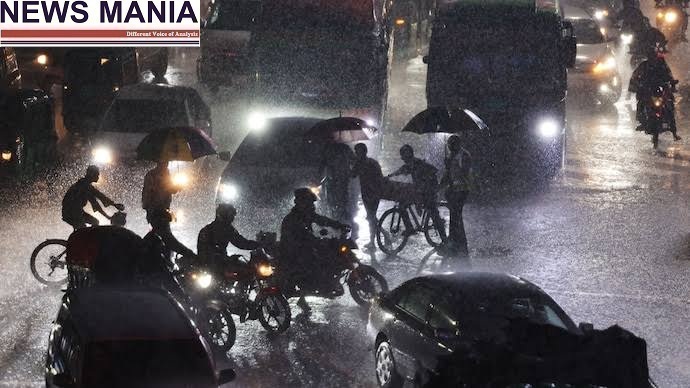
Bangladesh is experiencing its worst power crisis in decades, characterized by prolonged power cuts affecting homes, businesses, and factories. Residents report frequent outages reminiscent of the 1990s, with some areas facing cuts of up to four hours daily. This crisis, highlighted by social media discussions, is disrupting industrial production and threatening the country’s export sector. Notably, even upscale neighborhoods in Dhaka are not spared, marking a significant decline from previous stability in electricity supply.
A sarcastic comment on Facebook reflects nostalgic feelings about the 1990s as power cuts in Bangladesh have led to the purchase of kerosene lamps. Posts from appliance retailers show an increased demand for backup power solutions like inverters and batteries amid ongoing outages. Barishal General Hospital has faced frequent power cuts, forcing nurses to use mobile torches and patients to rely on hand fans. Reports indicate the electricity shortfall ranges between 3,000 MW and 3,500 MW, significantly higher than the 750 MW shortfall in 2022.
In 2007, Bangladesh experienced a severe power crisis characterized by an electricity generation shortfall of approximately 1,345 MW, resulting in extensive load-shedding. This crisis emerged prior to the Awami League government’s leadership under Sheikh Hasina, who aimed to increase power generation capacity. Despite having surplus installed capacity, a significant feedstock shortage has contributed to ongoing blackouts, with natural gas being the primary energy source. When gas supplies dwindle, power plants reduce output, affecting industries reliant on gas and leading to the use of costlier alternatives.
India’s limited ability to assist further complicates the situation. The crisis has historical roots in the country’s dependence on imported natural gas, declining local extraction, and inadequate infrastructure for processing imports, causing widespread effects on cities and industries alike.
Bangladesh’s ongoing crisis has intensified a political blame game. The ruling Bangladesh Nationalist Party (BNP) accuses the former Awami League government of “short-sightedness” and “corruption,” while the opposition organizes rallies demanding crisis relief and criticizes the current government’s “mismanagement” and “incompetent leadership.”
The nation relies heavily on natural gas for power, with 44% of electricity generated from gas plants in FY2024-25. Declining local gas yields necessitate imports, notably from Qatar, making the energy sector vulnerable to supply disruptions and price hikes, as highlighted by a significant deficit in 2022 following Russia’s invasion of Ukraine, which prompted the government to implement power cuts and conservation measures.
By 2026, Bangladesh’s domestic gas extraction fell from 27.2 billion cubic metres in FY2018-19 to 19.6 billion cubic metres by FY2024-25, while imports surged 143% from 3.28 billion cubic metres to 7.98 billion cubic metres. The US-Iran war complicated supply, forcing Dhaka to rely on the spot market, which strained foreign reserves. Most imported gas arrives via floating terminals in Cox’s Bazar; however, one terminal was shut down post-fire, leading to a reduction in daily gas inflow to 2,235 million cubic feet against a demand of 3,860 mmcfd until supply normalized on September 16.
This gas shortage impacted electricity generation, with only 13,000MW produced in August against a total capacity of 30,000MW and demand exceeding 16,000MW. Gas-fired plants produced around 5,100MW, while coal-fired plants operated below capacity due to technical issues, with some major plants generating significantly less than their capacity.