Supreme Court Flags ‘Mechanical’ SIR Notices in Delhi, Seeks Election Commission Response
News Mania Desks/ Piyal Chatterjee/ 22nd September 2026

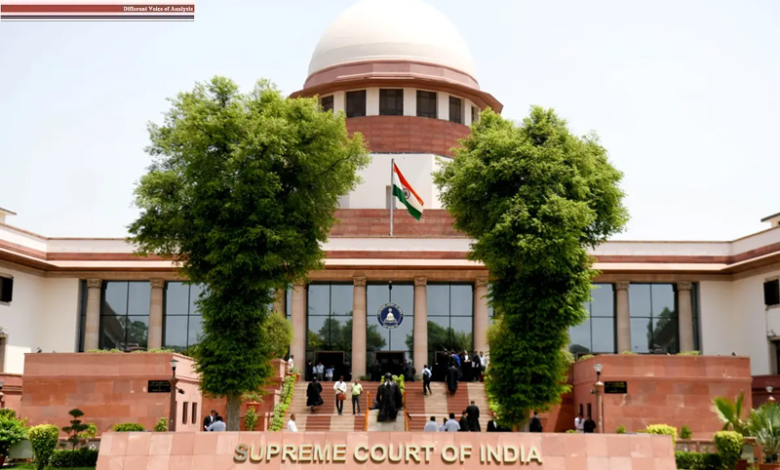
The Supreme Court on Tuesday raised concerns over the issuance of what it described as mechanical and machine-generated notices during the Special Intensive Revision (SIR) of electoral rolls in Delhi. The court sought a response from the Election Commission on pleas challenging the process through which voters have been asked to address alleged “logical discrepancies” in their electoral records.
A bench comprising Chief Justice of India Surya Kant and Justices Joymalya Bagchi and V Mohana was hearing a petition filed by Anjali Bhardwaj and Amrita Johri. The petitioners alleged that voters receiving discrepancy notices were often not informed clearly about the reason for the notice or the documents needed to resolve the issue.
The court formally issued notice to the Election Commission and asked it to explain the immediate measures taken to address the concerns. The matter has been listed after two weeks. The bench noted that Delhi is not scheduled to face elections in the immediate future, providing time for the authorities to address the issues raised during the hearing.
Justice Bagchi observed that additional human verification should take place before such notices are issued. The bench said notices should clearly explain the specific discrepancy concerning a voter instead of relying on broad or unclear descriptions. It suggested that voters could, for instance, be asked directly whether they had voted in Delhi or elsewhere during a particular year.
The court also emphasised the role of Booth Level Officers (BLOs), saying they should not function merely as messengers delivering notices. According to the bench, BLOs should assist voters in locating older electoral records, certificates and entries in the 2002 electoral roll when required.
The Supreme Court further suggested that the Election Commission prepare around 10 to 15 concise frequently asked questions covering common problems faced by voters. These FAQs could be published in newspapers and on the Commission’s website and circulated through municipalities, BLOs and SMS messages.
Appearing for the petitioners, advocate Prashant Bhushan argued that some categories identified as “logical discrepancies” had no clear connection with a person’s legal eligibility to vote. He cited examples involving the age difference between voters and their parents or grandparents. The petitioners also sought greater transparency regarding the number of voters who had received such notices and the reasons for issuing them.
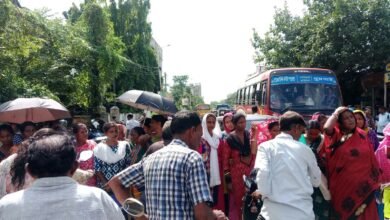
Bhushan said the process was creating difficulties, particularly for poor people and daily-wage workers among the approximately 33 lakh notice recipients. He also questioned whether the documents listed by the Election Commission would actually resolve the specific discrepancies mentioned in individual notices. The Election Commission denied the allegations and maintained that reasons were provided in the notices. The bench also discussed concerns over the use of different forms for voters who had shifted residences and asked for greater clarity on the procedure.
The court said the nature of each “logical discrepancy” should be clearly explained and that voters should receive guidance on which documents are relevant to particular issues. It also suggested that voters be allowed to submit supporting documents through email or WhatsApp instead of being required to appear physically in every case. The Election Commission is expected to respond before the matter is considered again.