How to Build a Stylish Wardrobe Around Clothes You Already Love
News Mania Desk/ Piyal Chatterjee/ 25th September 2026

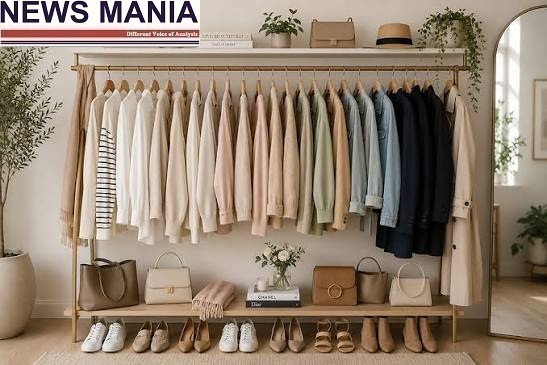
Building a stylish wardrobe does not always require buying new clothes. A growing approach to fashion encourages people to make better use of pieces they already own by experimenting with combinations, accessories and styling techniques. The idea is to create more outfits from familiar favourites while reducing unnecessary purchases.
The process begins with identifying the clothes that are worn most often and understanding why they work. Favourite pieces can provide clues about personal style, preferred colours, silhouettes and fabrics. Instead of replacing these items, the rest of the wardrobe can be organised around them.
One useful strategy is to experiment with different combinations. A familiar shirt, skirt or pair of trousers can look completely different when paired with another layer, a contrasting item or different footwear. Changing proportions can also alter the appearance of an outfit without requiring a new purchase.
Accessories can play an important role in refreshing existing clothes. Bags, belts, jewellery, scarves and shoes can change the character of an outfit and make the same basic clothing suitable for different occasions. A simple daytime look, for example, can be adapted for an evening outing by changing accessories and footwear. The same principle can be applied to dressing for different parts of the day. An outfit suitable for a casual morning can be modified for a long lunch or dinner by adding structured layers or more polished accessories. This makes versatile pieces particularly valuable in a practical wardrobe.
Holiday dressing can also benefit from this approach. Rather than packing a large number of separate outfits, travellers can select a few dependable pieces and combine them in different ways. Lightweight layers and adaptable basics can help create multiple looks while keeping luggage manageable.
Mini skirts and other statement pieces can similarly be styled for different settings. Pairing them with oversized shirts, fitted tops, jackets or different footwear can produce contrasting looks without changing the main garment. The approach ultimately shifts the focus from constantly acquiring clothes to understanding how existing pieces can be styled more creatively. Regularly revisiting the wardrobe can reveal combinations that may have been overlooked.
By concentrating on clothes that already feel comfortable and personal, people can develop a more individual style while making their wardrobes more versatile. The result is a fashion routine based less on constant consumption and more on creativity, experimentation and making the most of what is already available.