The Canvas of Truth: Honouring Vasily Vereshchagin’s Radical Realism and Indian Legacy on His 184th Birth Anniversary
By Debasmita Moulick, senior journalist, literary scholar, and an accomplished translator

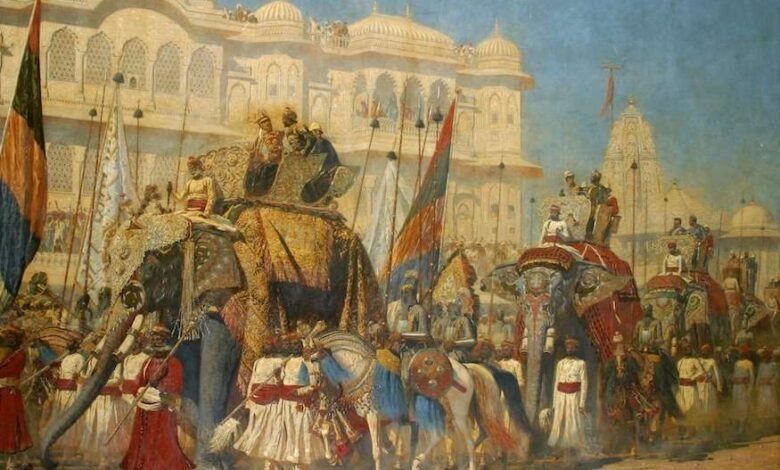
A Radical Visionary: Overturning Imperial Propaganda
An aura of deep historical reverence enveloped the Russian House in Kolkata, as language students, art enthusiasts and scholars assembled to honour the 184th birth anniversary of Vasily Vereshchagin (26 October 1842 – 13 April 1904). Over a century since his passing, Vereshchagin stands as an enduring titan of art history – a pioneer who radically redefined battle painting by turning state-sponsored military propaganda into an uncompromising instrument for anti-war activism. This special tribute seamlessly connected his revolutionary international legacy with his profound, lifelong affinity for the Indian subcontinent.
Unvarnished Truths: Exposing the Human Cost of War
Prior to Vereshchagin, nineteenth-century European war art served primarily to glorify imperial expansions. Defying this tradition, the soldier-painter operated as an early combat photojournalist, documenting the gruesome, unfiltered casualties of battle with a fidelity so jarring that alarmed European regimes barred military personnel from attending his shows. This dedication to unvarnished truth extended to his Indian expeditions, where he discarded the stylized exoticism of contemporary Western artists to meticulously record the region’s authentic societal fabric and explicitly challenge colonial dominance.
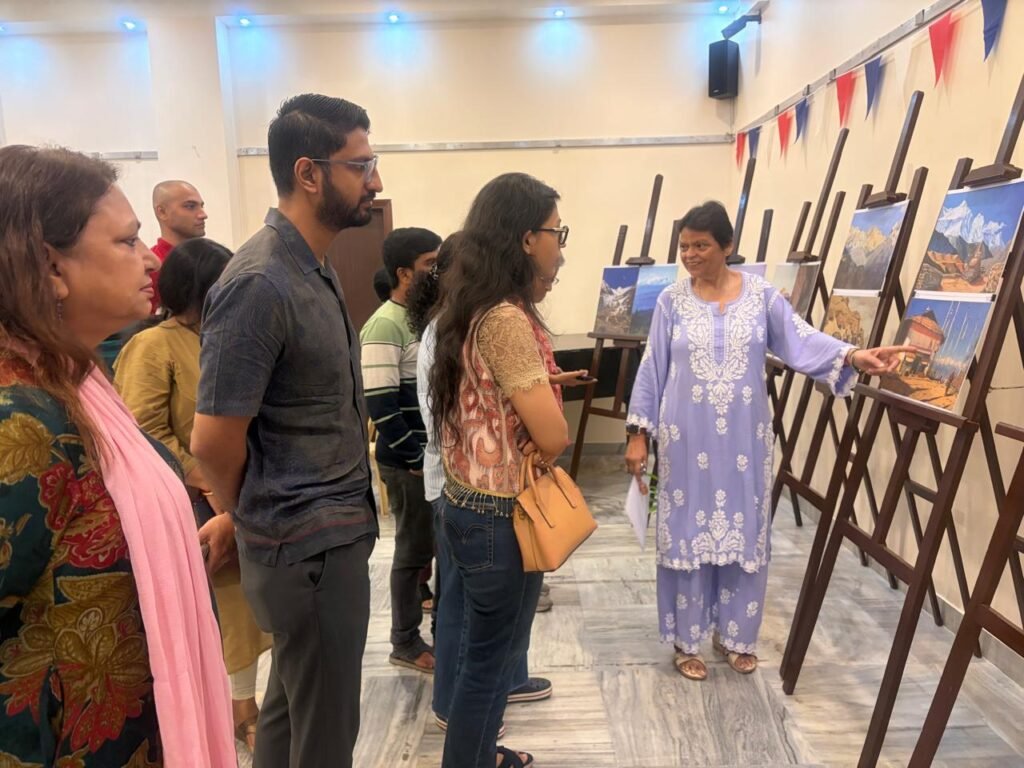
Exhibition Life & Works of Vereshchagin
Commemorative Tributes: Presentations and Exhibition
To honour this multi-faceted pioneer, the Russian House in Kolkata organized a comprehensive illustrative exhibition featuring over 100 exhibits detailing his life and works. The event commenced with an insightful presentation by Madhabi Bhattacharya, Director of the Institute of Russian Language. She noted “We are organizing a special excursion to the Victoria Memorial museum so that our students can experience Vereshchagin’s original masterpiece firsthand.”
Russian language student Snigdha Jaiswal delivered a moving talk on the painter’s enduring global relevance. Reflecting on his anti-war themes, Snigdha noted, “What went through my mind was how insightful Vereshchagin was. The era may have changed but the core remains the same – what does war help achieve? It’s food for thought.”
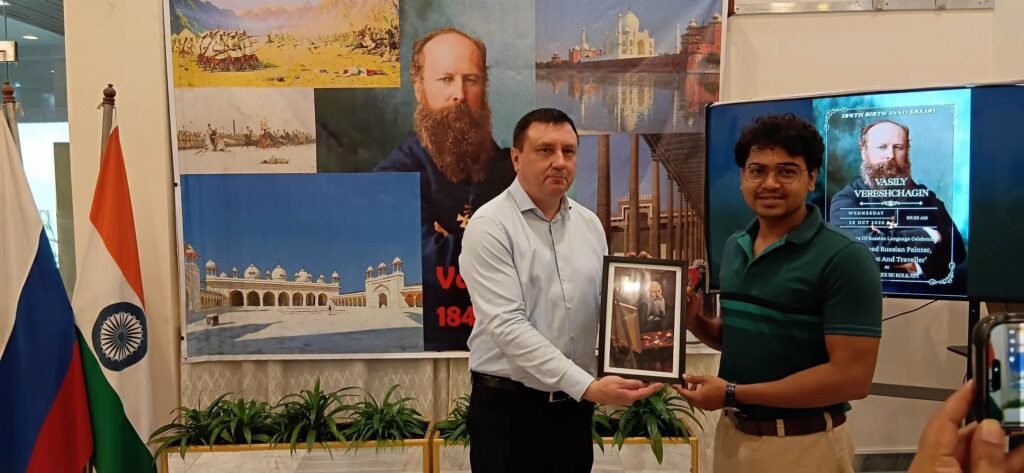
Tribute to the Master
Sayak Naskar, a student who joined the Russian language classes just six months ago, channelled his artistic inspiration into painting a striking portrait of Vereshchagin. Encouraging the young painter, Sergey Shushin, Director of the Russian Houseremarked that the gesture served as a fitting and heartfelt birth anniversary tribute to the master.
Face-to-Face with Grandeur: Excursion to the Royal Gallery
Following the celebration, the students visited the Victoria Memorial’s Royal Gallery to witness Vereshchagin’s premier masterpiece, “The State Procession of the Prince of Wales into Jaipur in 1876”, frequently referred to as the “Jaipur Procession”. Measuring 23 by 16.5 feet, this titanic canvas is India’s largest single-canvas oil painting and meticulously depicts the grand imperial welcome of Prince Albert-Edward alongside Maharaja Sawai Ram Singh II.
Standing in front of the colossal original canvas, the students were visibly moved by its dual nature – its overwhelming visual grandeur juxtaposed with Vereshchagin’s signature, hyper-detailed social commentary that subtly highlights the economic contrasts between the imperial elite and the ordinary attendants working the parade.
Youthful Inspirations: Students Decode a Master’s Legacy
Mesmerized by the original canvas, Russian language student Aritri Dey stated, “Vereshchagin’s works reject military glory to expose the brutal human cost of 19th-century warfare through documentary realism. In stark contrast, his Indian subjects masterfully capture the country’s architectural grandeur, cultural diversity, and historical heritage.” For classmate Avileen Mukherjee, the journey offered a deeply moving introduction to the artist’s life: “Today I came to know about his life journey and tragic end on a battleship, which really hit me. His noble intentions touched my heart; his works should be cherished as a good source of our history.”
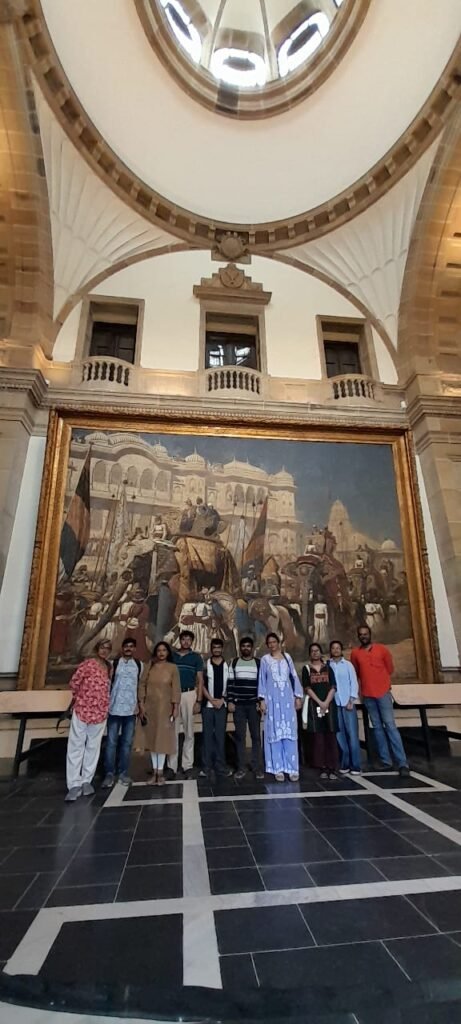
Honouring the masterpiece
An Enduring Mirror: Why Vereshchagin Matters Today
What better tribute could there be to a global humanitarian than a new generation of Indian students standing in awe before his canvas, decoding his brushstrokes over a century later? In the quiet halls of the Victoria Memorial, the young voices of Kolkata proved that Vereshchagin’s ultimate mission was a success. He did not just paint history; he created a timeless, cross-cultural mirror that continues to challenge our conscience, celebrate our shared heritage, and remind us of the unvarnished truth of our world.