Manipal Hospitals Kolkata Champions Injury Management and Rehabilitation Through ‘Sports Injury Summit 2026’
BUDDHADEB MISRA/ 28th November 2026

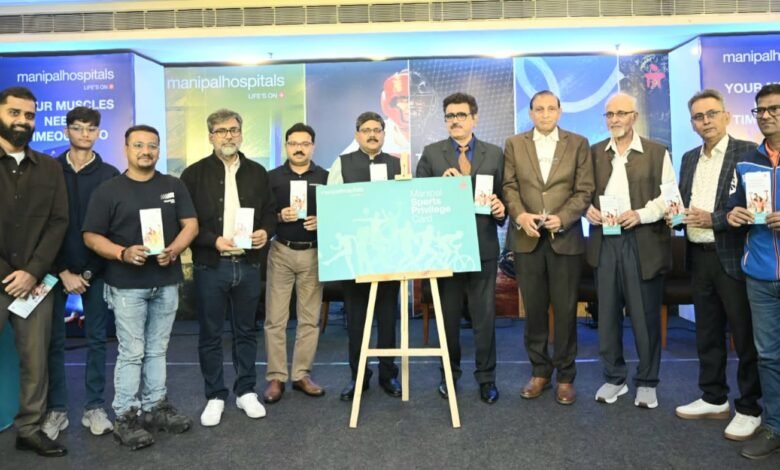
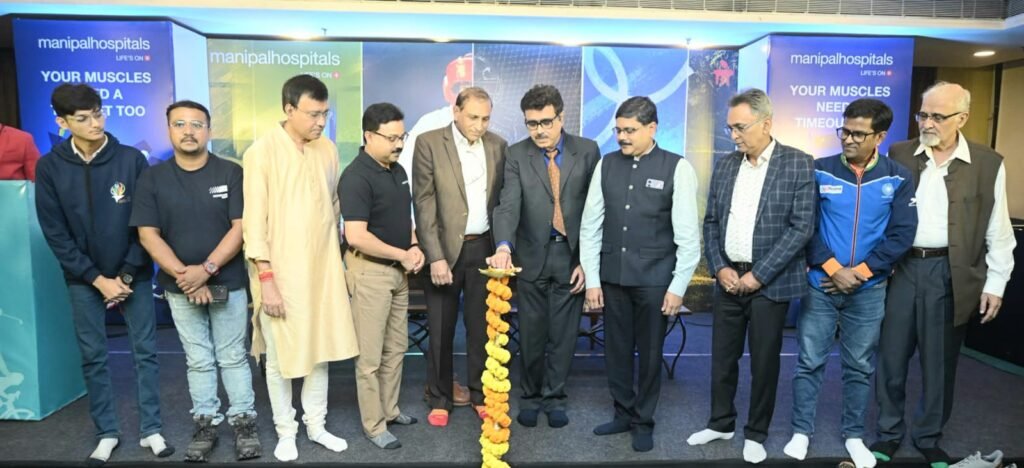
Kolkata, 27th November 2026: From overcoming career-threatening injuries to regaining strength, mobility and confidence on the field, an athlete’s recovery journey is a testament to resilience, clinical expertise and advancements in sports medicine. Highlighting the evolving landscape of sports injury management and the importance of injury prevention, Manipal Hospitals Kolkata organised ‘Sports Injury Summit 2026’, themed ‘The Smarter Way to Stay in Play’, bringing together leading orthopaedic specialists, sports professionals, physiotherapists, coaches and representatives from prominent sporting clubs and associations.
The initiative aimed to bridge the gap between clinical expertise and on-field sporting requirements through meaningful discussions on injury prevention, early diagnosis, advanced treatment modalities, minimally invasive surgical interventions and structured rehabilitation. The summit also emphasised the importance of multidisciplinary collaboration in helping athletes return to competitive sports safely while ensuring long-term musculoskeletal health.
The programme witnessed the presence of Dr. Vikash Kapoor, Director & Senior Consultant – Orthopaedics, Manipal Hospital EM Bypass; Dr. Kanchan Bhattacharyya, Consultant – Orthopaedics, Manipal Hospital Dhakuria; along with prominent personalities from the sporting fraternity, including Biswarup Dey, Vice President, Bengal Olympic Association and former Joint Secretary and Treasurer of the Cricket Association of Bengal; Sanjoy Dutta, Chairman, Medical Sub-committee, The Cricket Association of Bengal; Abhinandan Chatterjee, Head Physiotherapist & Strength and Conditioning Coordinator, Mohun Bagan Super Giant, with experience across leading sporting franchises; Rimo Saha, Tenzing Norgay National Awardee and accomplished open-water swimmer who has crossed five international channels; Ejaz Ahmed, Senior Vice President, Hockey Kalimpong District, former Executive Board Member of Hockey Bengal and FIH & AHF-certified coach, with over 42 years of experience as a player, coach and hockey administrator, and Md. Salahuddin Parvez, Chairman, Umpires Committee, National Hockey Umpire and Technical Official of Hockey India, who also served as an Assistant Commissioner of Police and received the United Nations Peace Medal during his tenure with the Indian Contingent in the UN Peace Mission in Kosovo in 2003. The summit provided a platform for healthcare professionals and members of the sporting community to exchange experiences and deliberate on the challenges and emerging opportunities in sports injury management.
Sports-related injuries, including anterior cruciate ligament (ACL) tears, meniscal injuries, shoulder dislocations, rotator cuff tears, ankle sprains, stress fractures and tendon injuries, remain significant concerns among professional athletes and recreational sports enthusiasts alike. Inadequate conditioning, repetitive strain, improper training techniques, overtraining and insufficient recovery periods can increase the risk of such injuries. Delayed diagnosis or inadequate rehabilitation may further contribute to recurrent injuries, chronic pain, reduced mobility and premature deterioration of joint health.
Advancements in orthopaedics and sports medicine have significantly transformed the management of complex sporting injuries. Minimally invasive procedures such as arthroscopic ACL reconstruction, meniscal repair, arthroscopic shoulder stabilisation and rotator cuff repair have expanded treatment possibilities for athletes. These procedures, when clinically indicated, allow surgeons to address complex ligament, cartilage and tendon injuries through smaller incisions, potentially reducing tissue trauma, postoperative discomfort and recovery time compared to conventional open surgical approaches.
The summit also highlighted the importance of conservative treatment approaches, including physiotherapy, strength and conditioning, neuromuscular training and personalised rehabilitation programmes. Experts emphasised that returning to sports should not be determined solely by the absence of pain but by comprehensive functional assessments, restoration of muscle strength, joint stability and psychological readiness to minimise the risk of reinjury.